Gutter Replacement Before and After Results
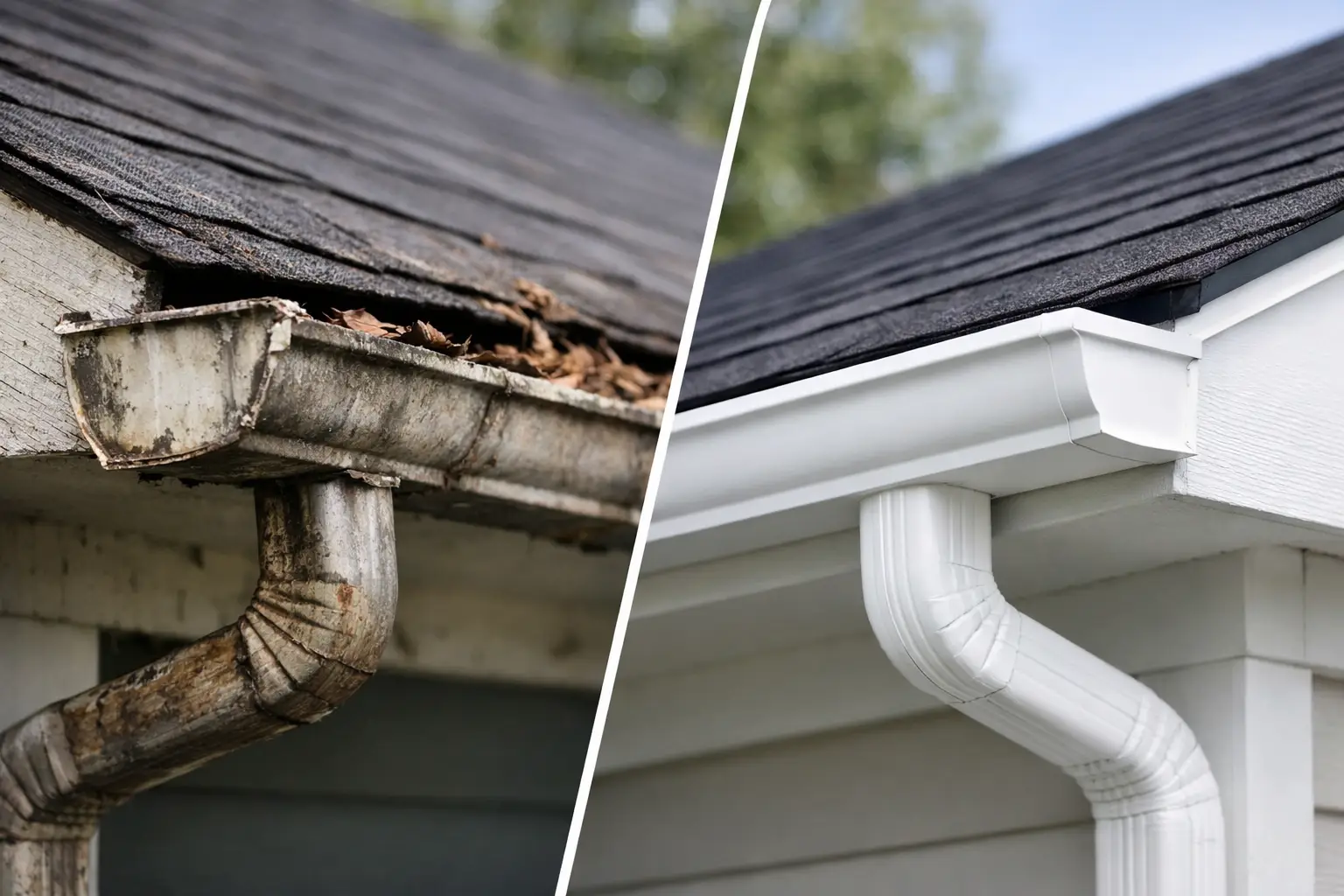
A gutter replacement before and after comparison should show more than cleaner rooflines. On a Pacific Northwest home, the real difference is where water goes during a hard rain, how securely the system stays attached, and whether debris can keep creating the same overflow problems season after season.
Old gutters often fail slowly. A homeowner may first notice a drip at the entry, dark staining on siding, or water spilling over one corner during a downpour. By the time the system is visibly sagging or pulling away from the fascia, it may have been draining poorly for years. Replacing gutters gives the home a chance to correct the entire water-management problem, not just cover up the symptoms.
What Changes With Gutter Replacement Before and After
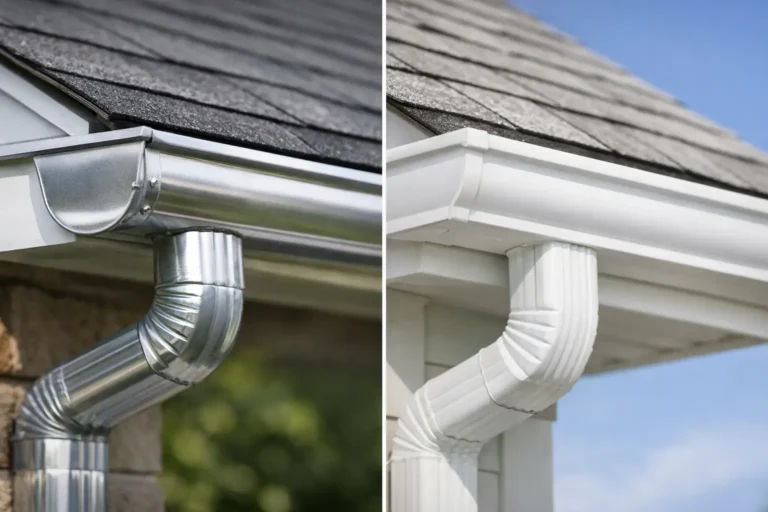
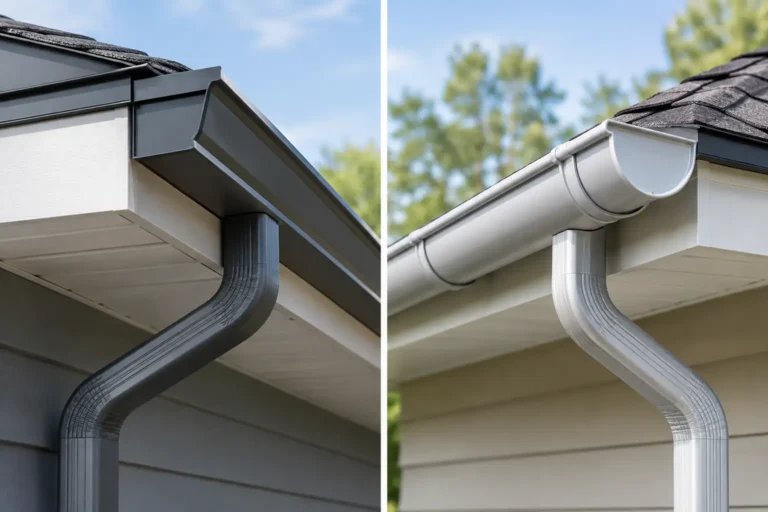
The most obvious change after gutter replacement is appearance. Fresh seamless aluminum gutters create a straight, clean edge along the roofline and can be color-matched to complement the trim. But curb appeal is only part of the result.
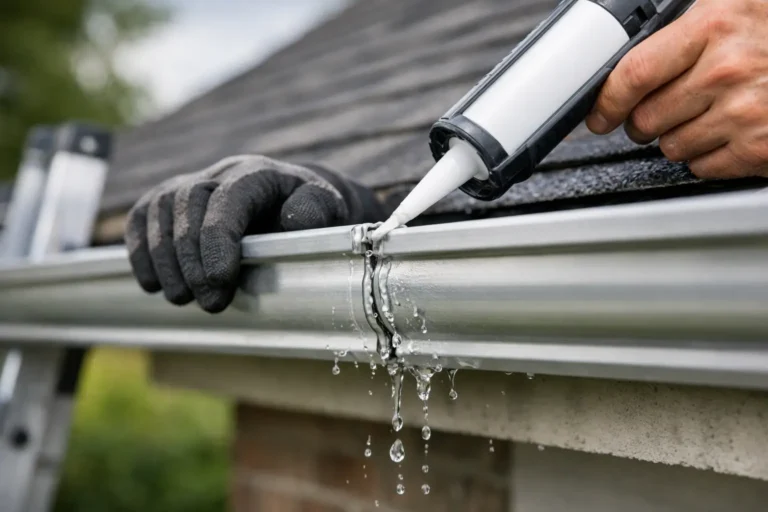
Before replacement, older sectional gutters may have seams that leak, low spots that hold standing water, and spikes or brackets that no longer hold the gutter tightly against the fascia. The downspouts may be too small, poorly placed, or clogged with roof grit and evergreen debris. During heavy rain, water finds the easiest route – over the gutter edge, behind the gutter, or down exterior walls.
After a properly planned installation, the gutters are sized and pitched to move water toward the downspouts. Custom-formed seamless runs remove most leak-prone joints along the gutter length. Hidden hangers provide a more secure attachment than aging spike-and-ferrule systems, and downspouts are positioned to carry runoff away from the foundation.
That is the before-and-after result that matters: water is collected, moved, and discharged where it belongs.
Why Old Gutters Struggle in the Pacific Northwest
A gutter system that works adequately in a dry climate can struggle here. Southwest Washington and the Portland metro see long periods of rain, wind-driven storms, roof moss, asphalt shingle grit, and constant debris from fir, pine, and cedar trees. Needles are especially challenging because they can bridge across ordinary gutter screens or pack tightly inside the trough.
Many older systems were installed with basic materials and little attention to drainage layout. Over time, the weight of wet leaves and standing water can pull gutters out of alignment. Once the pitch is off, water pools instead of flowing. That added weight puts even more strain on the hangers and fascia.
A new gutter system should address those local conditions. This may mean larger downspouts for better flow, stronger hidden hangers, properly placed outlets, and a gutter guard designed to shed fine debris rather than simply hold it on top of an open screen.
Before Replacement: Signs the System Is No Longer Doing Its Job
Not every dirty gutter needs to be replaced. A sound system with a minor clog, one loose hanger, or a small isolated leak may be repairable. Replacement becomes the better investment when the problems are widespread or when repeated repairs are only buying time.
Look closely after a steady rain. Overflowing at one location can point to a clog, but overflow along multiple sections often means poor pitch, undersized drainage, or accumulated debris throughout the system. Water running behind the gutter can indicate loose fasteners, damaged fascia, or a gutter profile that no longer sits correctly under the roof edge.
Other warning signs include peeling paint near the eaves, rust stains, separated seams, sagging runs, downspouts that detach from the wall, and erosion or puddling near the foundation. Inside the home, musty crawlspace conditions or moisture near exterior walls can also be connected to poor roof drainage, although a full evaluation is needed before assuming gutters are the only cause.
The key question is not whether the gutter looks old. It is whether it can control water reliably during the weather that puts your home to the test.
What a Proper Replacement Process Should Include
A lasting result starts with an on-site assessment, not a one-size-fits-all estimate. The installer should inspect the roofline, existing drainage, fascia condition, slope, downspout locations, and nearby trees. A house with a long valley dumping water onto one roof edge needs a different solution than a simple ranch home with open exposure.
During installation, the old gutters and failed hardware are removed so the attachment area can be evaluated. If fascia damage is present, it should be identified before new gutters hide the issue. New seamless aluminum gutters are then custom measured and formed for the home rather than pieced together from short store-bought sections.
The installation crew establishes the proper pitch, secures each run with strong hidden hangers, and installs downspouts where they can handle the roof runoff. Extensions or drainage routing may also be needed to move water farther from the foundation. On many straightforward homes, this work can be completed in one day, but the right timeline depends on the size of the home, roof complexity, access, and any repairs discovered along the way.
Adding Gutter Guards Changes the Long-Term Result
New gutters without protection can still fill with needles, leaves, and granules. That does not mean every home needs a guard, but homes beneath evergreens or with recurring clogs are strong candidates.
The trade-off is simple: a low-quality guard can create its own maintenance problems. Large-hole screens may allow fine debris into the gutter. Some solid covers can struggle with certain roof pitches or heavy water volume when they are not installed correctly. The guard needs to suit the roof, debris type, and local rainfall.
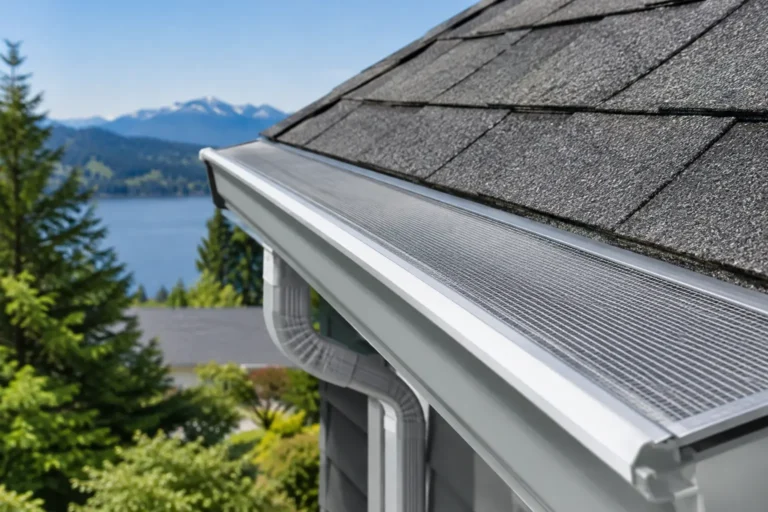
A premium stainless steel micro-mesh system is designed to let water enter while keeping out fine roof grit and pine needles. Debris stays on the surface and is carried away by wind or dries enough to be brushed off more easily. It does not eliminate every bit of exterior maintenance, especially around roof valleys and heavy moss growth, but it can substantially reduce the need to clean inside the gutter.
For homeowners considering a protected system, NW Gutter Protection installs Gutter Glove Pro micro-mesh guards with a 50-year transferable manufacturer warranty. The value is not just in the product itself. It is in making sure the guard, gutter, roof edge, and drainage layout work together.
The After Photo Is Only Half the Proof
A clean installation photo can show straight lines, new downspouts, and an improved exterior. It cannot show whether water is moving correctly behind the scenes. Ask practical questions before approving a replacement proposal: What size gutters and downspouts are recommended? How will the gutters be fastened? Where will water discharge? What happens at roof valleys? Is the existing fascia in good condition?
A contractor should explain the answers plainly. There are times when standard five-inch gutters are appropriate, and other homes need a larger capacity system because of roof area, valleys, or heavy runoff. There are also cases where replacing a single damaged section makes sense instead of replacing the whole system. Good recommendations should be based on the home, not a blanket sales pitch.
Protect the Areas Water Damages First
The best time to evaluate gutters is before the next long stretch of rain exposes a weakness. Walk around the home after a storm, look for overflow and pooling, and pay attention to the areas where water repeatedly lands. Those clues often tell the real story faster than a dry-day inspection.
A well-installed replacement system should give you a cleaner roofline, less gutter maintenance, and greater confidence when the rain starts. More importantly, it should keep water moving away from the siding, fascia, landscaping, and foundation that protect your home for the long term.