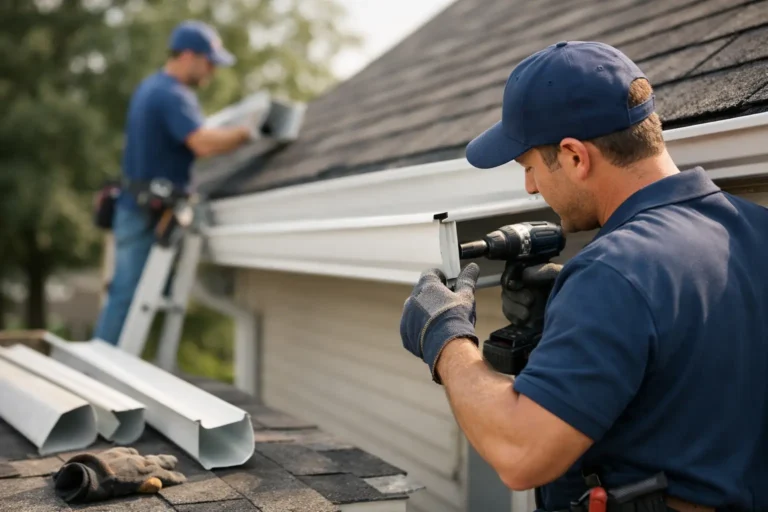
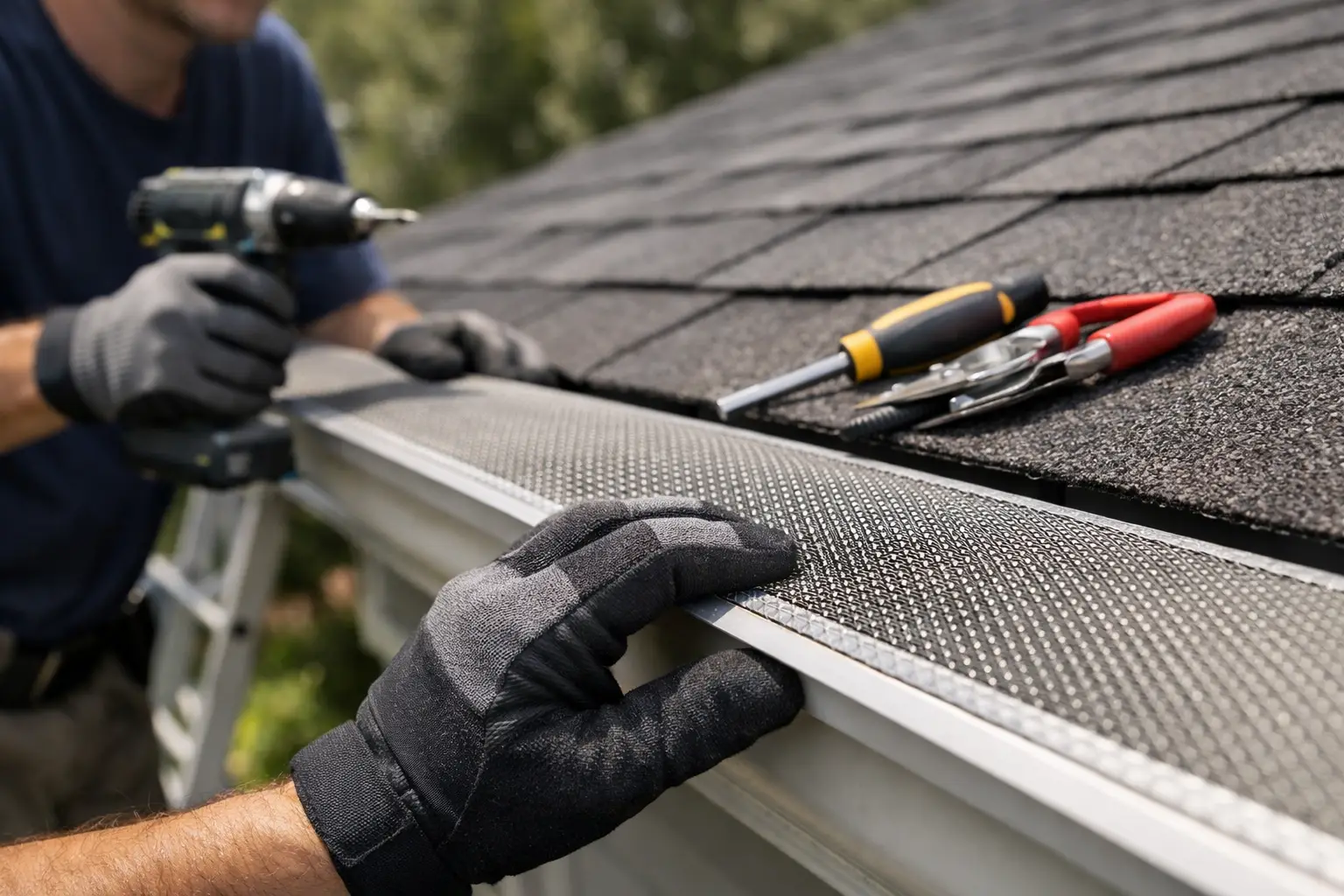
Micro Mesh Gutter Guard Installation Basics
If you have ever watched water pour over the front of your gutters during a Northwest rainstorm, you already know the problem is not just leaves. In this region, micro mesh gutter guard installation has to deal with fir needles, pine needles, roof grit, and steady rainfall that exposes every weak point in a gutter system.
That is why the installation matters as much as the guard itself. A high-quality stainless steel micro-mesh product can perform very well, but only when it is fitted to the roofline correctly, secured to a solid gutter, and installed with local conditions in mind. Homeowners across Southwest Washington and the Portland metro often ask whether gutter guards really work here. The honest answer is yes, but only when the product and the installation are both right.
What micro mesh gutter guard installation actually does
A micro-mesh gutter guard is designed to let water into the gutter while keeping out small debris. That sounds simple, but the details matter. In the Pacific Northwest, debris is often fine, stringy, and persistent. Needles from evergreens can pile up quickly, and asphalt shingle grit can move down the roof during heavy rain.
The purpose of micro mesh gutter guard installation is to create a controlled path for rainwater while reducing the chance of clogging inside the gutter trough. When installed properly, the guard sits in a way that supports water flow across the surface and into the opening below, without leaving easy entry points for needles or debris. It also reduces how often homeowners need to climb a ladder for gutter cleaning.
That does not mean the system becomes maintenance-free forever. Any honest contractor should say that upfront. Guards reduce maintenance dramatically, but performance still depends on roof pitch, tree coverage, rainfall intensity, gutter condition, and the quality of the install.
Why installation quality matters more than most homeowners think
Many gutter guard problems are really installation problems. A guard can fail because it was attached at the wrong angle, fastened loosely, forced onto a damaged gutter, or paired with an existing system that already had drainage issues. In those cases, the product gets blamed when the bigger issue was workmanship.
A proper install starts with evaluating the whole system. That includes the gutter run, fascia condition, downspout capacity, roof edge, and the way water currently moves off the roof. If gutters are pulling away from the home, sloped incorrectly, or undersized for the roof area, adding a guard will not fix the underlying problem.
This is especially true in neighborhoods with tall evergreens. Needle-heavy roofs create a different challenge than a home dealing mostly with broadleaf debris. Fine debris can exploit small gaps. Heavy rain can expose poor pitch. Overflow at corners or valleys can point to a water-volume issue, not just a clogging issue.
How professional micro mesh gutter guard installation is usually done
On a well-planned project, the first step is measuring and inspecting the existing gutter system. The installer checks whether the gutters are worth protecting or whether replacement makes more sense. If the gutters are old, bent, leaking at seams, or undersized, it may be smarter to address that first instead of putting a premium guard over a weak foundation.
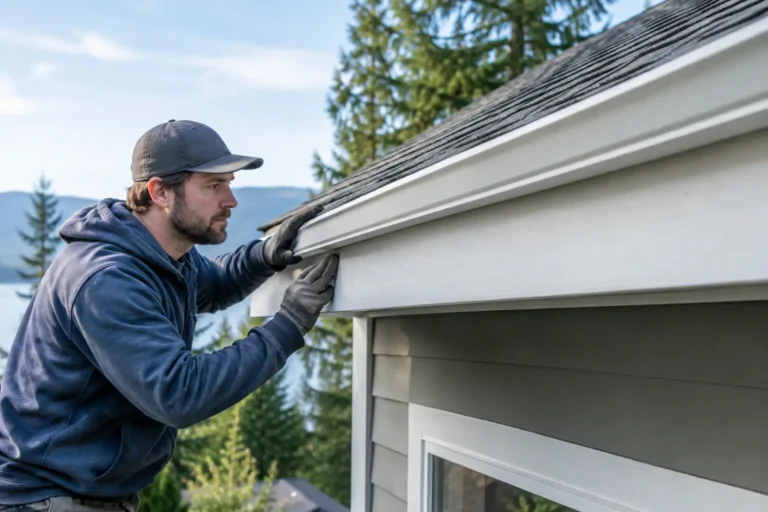
Next comes cleaning and prep. Existing debris has to be removed so the guard is not installed over trapped buildup. The gutter interior should be checked for standing water, signs of improper slope, and any hidden damage. Hangers and fasteners also need attention. A gutter guard performs better when the gutter itself is solid and properly supported.
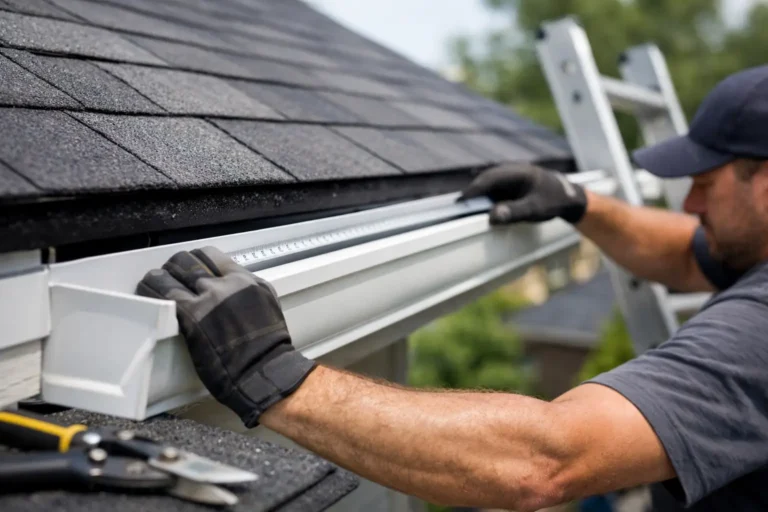
The guard is then cut and fitted to the specific roofline and gutter profile. This is not a one-size-fits-all step. Corners, miters, roof transitions, and downspout areas all need careful fitting. A good installer secures the system so it stays stable through heavy rain, wind, and seasonal debris loads.
Finally, the installer tests the fit and reviews water flow behavior. On quality jobs, there is a clear focus on how the finished system will perform over time, not just how quickly it can be attached.
The role of gutter pitch, hangers, and roof edge detail
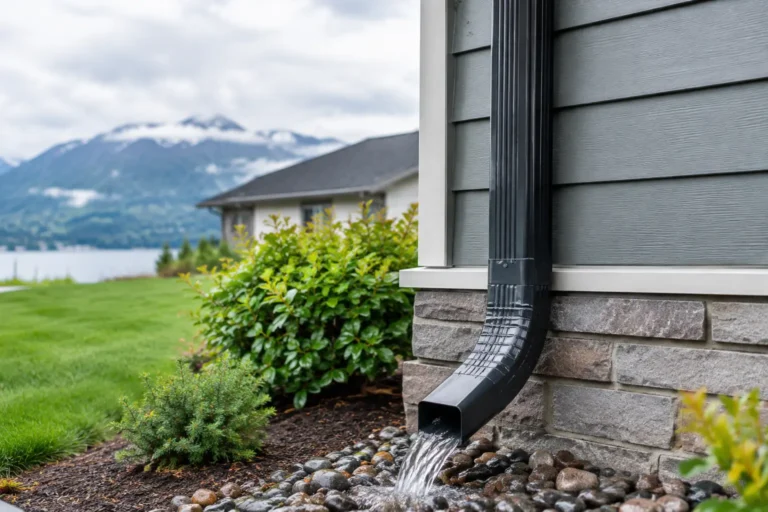
These parts do not get much attention from homeowners, but they matter. Gutter pitch determines whether water moves efficiently toward the downspouts. Hidden hangers affect strength and long-term alignment. Roof edge details influence how water leaves the shingles and meets the guard surface.
If any of these elements are off, even a premium micro-mesh system can underperform. That is one reason experienced local installers tend to deliver better long-term results than crews focused only on fast sales and fast installs.
When existing gutters are good enough – and when they are not
Some homes are good candidates for guard-only installation. If the gutters are relatively new, sized correctly, firmly attached, and draining well, adding a micro-mesh guard can be a practical upgrade.
Other homes need more than that. If the gutter has multiple seams, recurring leaks, visible sagging, or weak spike-and-ferrule fastening, installing guards on top may not be the best value. In those cases, replacing the gutter system with seamless aluminum gutters and strong hidden hangers can create a much better base for the guard.
This is where honesty matters. Homeowners do not need a sales pitch. They need a clear explanation of whether their current system is worth keeping. A trustworthy contractor should be willing to say when replacement is the better long-term move.
What homeowners in the Pacific Northwest should expect
In this region, performance claims should always be filtered through local reality. A guard that works in a dry climate with light leaf debris may not hold up the same way under constant rain and evergreen buildup. That is why climate-specific installation matters.
The best setups for this area are built around stainless steel micro mesh, durable framing, solid attachment, and careful fitting to the roof and gutter. They should also be backed by a meaningful manufacturer warranty and installed by a contractor who understands local conditions.
Homeowners should expect a noticeable reduction in cleaning, fewer clogs, and less overflow from debris-packed gutters. They should also expect the installer to explain the limits clearly. For example, no guard can change what happens when a gutter is too small for the roof area or when a roof valley dumps an extreme volume of water into one short section.
That kind of straight answer builds trust because it reflects how these systems really work.
Common mistakes to avoid with micro mesh gutter guard installation
One of the biggest mistakes is choosing based on the sales presentation instead of the installation plan. A polished pitch does not tell you whether the crew will address slope issues, replace weak hangers, or properly fit corners.
Another mistake is assuming all mesh products are equal. Mesh opening size, frame strength, attachment method, and material quality all affect performance. Plastic and light-gauge systems often do not hold up the same way as premium stainless steel micro-mesh products.
A third mistake is covering damaged gutters. If the system underneath is already failing, the guard may only hide the problem for a while.
For homeowners comparing bids, the better question is not just what product is being installed. It is how the installer will prepare the gutter, secure the guard, handle tricky rooflines, and stand behind the work.
Choosing the right installer for the job
The right contractor should be able to explain the installation process in plain language. They should talk about debris type, roof design, gutter condition, and water volume – not just give a price and push for a quick signature.
It also helps to work with a company that understands why this region is harder on gutter systems than many others. In the Pacific Northwest, frequent rain exposes every shortcut. That is why many homeowners prefer owner-led companies with a track record of professional installation and direct accountability. NW Gutter Protection has built its reputation around exactly that kind of practical, climate-specific approach.
Ask about materials, warranty coverage, installation method, and whether the crew will inspect and correct issues with the existing gutter system before the guard goes on. The more specific the answers, the better.
Is micro mesh gutter guard installation worth it?
For many homeowners, yes. If you are tired of cleaning gutters several times a year, worried about overflow near the foundation, or dealing with constant needle buildup, a professionally installed micro-mesh system can be a smart investment. It can protect the gutter system, reduce maintenance, and help prevent the kind of water problems that become expensive later.
But the value comes from getting the full system right. Product quality matters. Installation quality matters more. And local experience matters most when your home sits under fir trees through months of rain.
The best result is not just a cleaner gutter. It is a system that handles the weather you actually live with, so you can spend less time worrying every time the forecast turns wet.