One Day Gutter Installation: What to Expect
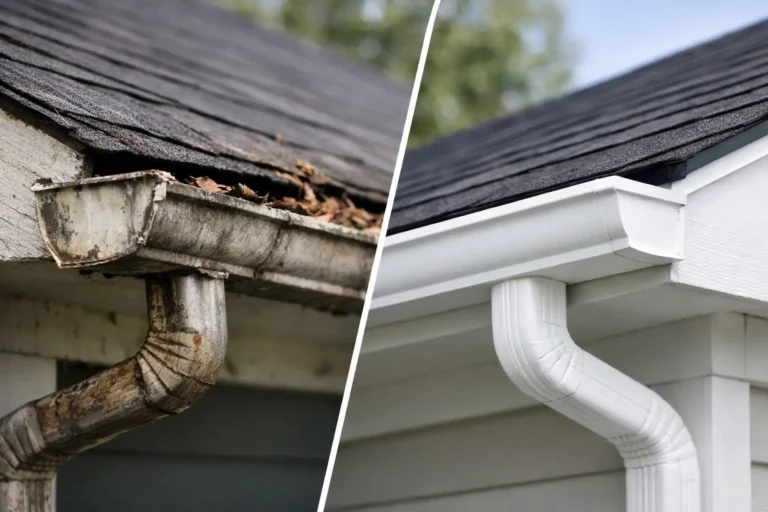
If your gutters are sagging, leaking at the seams, or constantly packed with fir needles, waiting weeks for a replacement job is not appealing. For many homes, one day gutter installation is a realistic option – but only when the contractor is set up to measure accurately, fabricate properly, and install with a clear plan.
That matters in the Pacific Northwest. Around Portland and Southwest Washington, gutters are not just trim on the edge of the roof. They manage heavy rainfall, protect siding and foundations, and help prevent the kind of overflow that stains fascia boards and washes out landscaping. If the system is weak, undersized, or poorly pitched, you usually find out during the next hard rain.
How one day gutter installation actually works
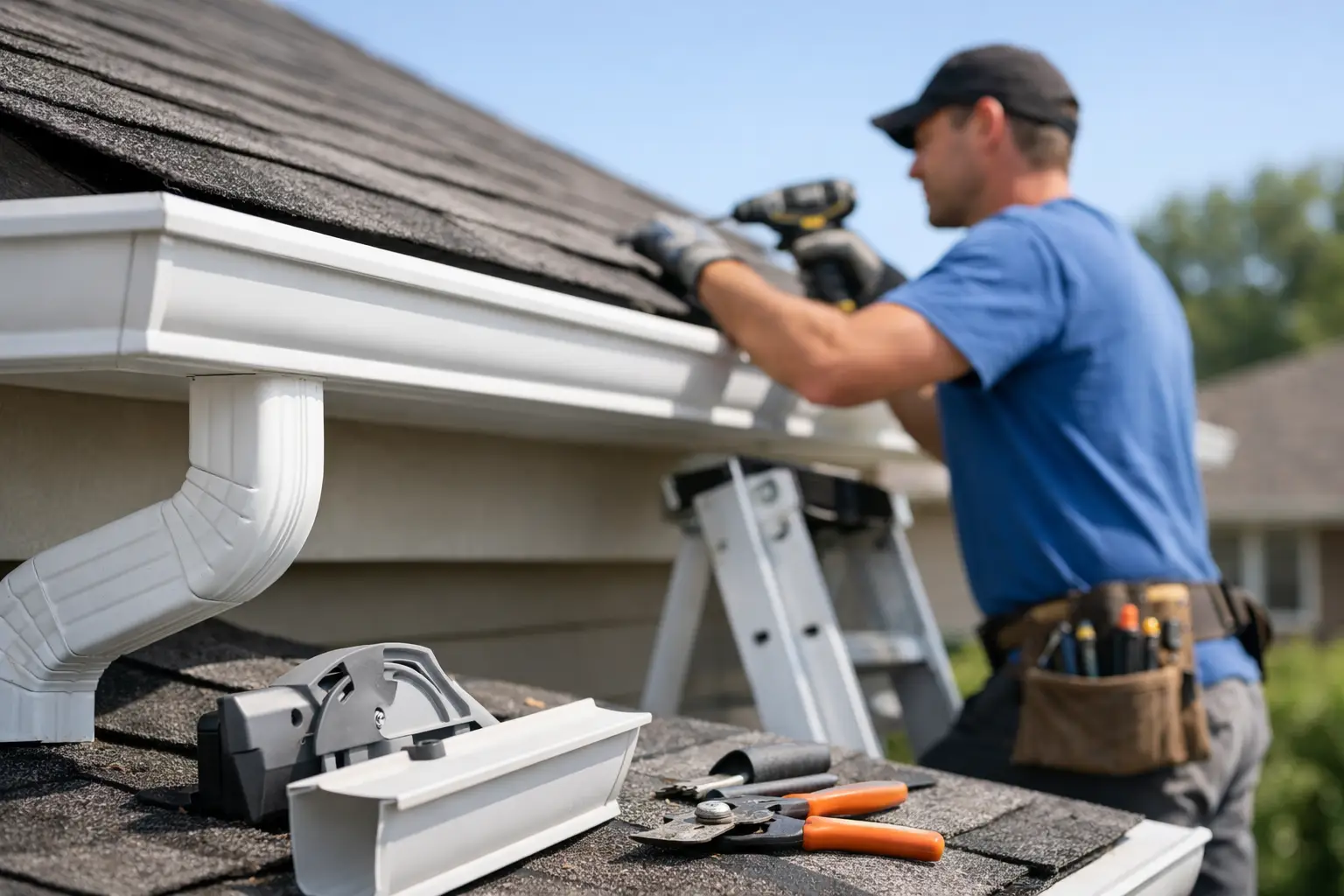
A one-day job does not mean rushed work. It means the project is organized before the crew arrives. On a typical residential installation, the key steps include confirming measurements, removing old gutters if needed, inspecting the fascia, fabricating seamless aluminum sections to fit the house, setting proper pitch, fastening with hidden hangers, installing downspouts, and testing water flow.
The reason some projects can be completed in a single day is simple: most homes do not need a complex redesign. If the roofline is straightforward and access is reasonable, an experienced crew can handle the full replacement efficiently. Seamless gutters also help because they are custom made for the home, which reduces connection points and speeds up final assembly.
What homeowners often miss is that the time savings come from preparation, not shortcuts. Accurate field measurements, the right material on-site, and a crew that installs gutters every day make the difference.
When one day gutter installation makes sense
Many single-story homes and a good number of two-story homes qualify for one-day gutter installation. The best candidates usually have standard rooflines, manageable linear footage, and no major carpentry issues hiding behind the existing gutters.
If your current system is simply old, leaking, loose, or clogged beyond reason, same-day replacement may be a practical fit. The same is true when you are upgrading to seamless gutters and adding a gutter guard system at the same time. With the right planning, both can often be handled together.
That said, every house is different. A home with several roof levels, difficult access, detached structures, or heavy fascia damage may need more time. Weather can also affect the schedule. In the Northwest, installers have to work around rain safely and still maintain quality.
What can slow a one-day gutter project down
The most common delay is hidden damage. Once old gutters come off, rot in the fascia or roof edge may become visible. If the wood behind the system is compromised, installing new gutters over it is not the right move. The gutter system is only as reliable as the structure holding it.
Another factor is drainage design. Some homes need more than a basic swap. They may need larger downspouts, relocated outlets, or improved water routing to deal with overflow areas. That extra work is worthwhile, especially in neighborhoods surrounded by tall evergreens, but it can add time.
Debris conditions also matter. Pine needles, fir needles, roof grit, and moss create different demands than broadleaf debris. A contractor who understands local conditions will look beyond basic fit and consider how the system performs after the next windstorm, not just how it looks on install day.
Why material and installation quality matter more than speed
Fast installation is only valuable if the system lasts. A poor-quality gutter installed in one day is still a poor-quality gutter. For Pacific Northwest homes, the right setup needs to handle frequent rain, standing debris, and repeated wet-dry cycles without pulling away from the house.
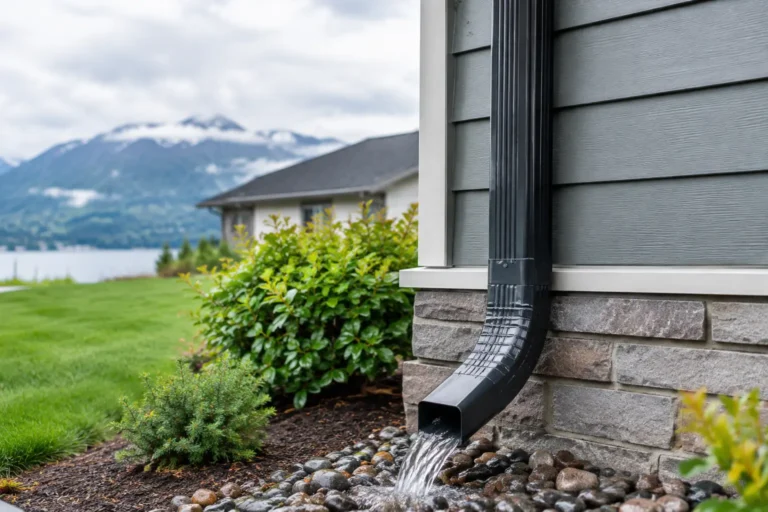
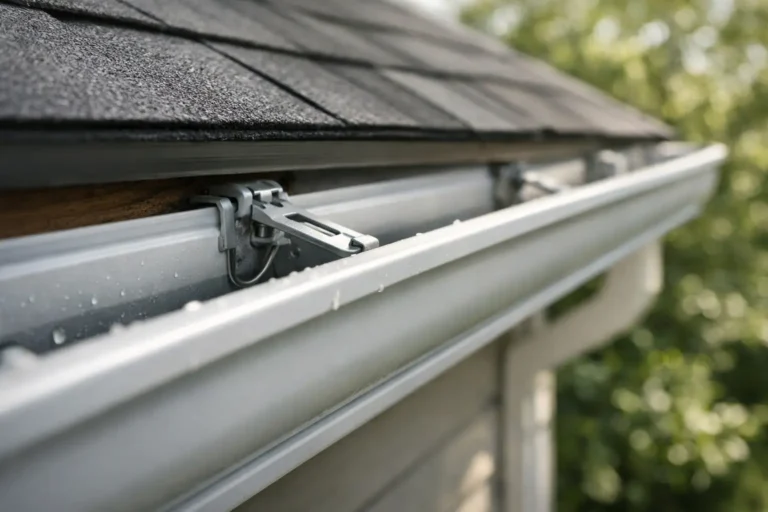
This is where details matter. Seamless aluminum gutters reduce leak-prone joints. Hidden hangers provide a cleaner appearance and stronger support than older spike-and-ferrule methods. Proper pitch helps water move without leaving low spots. Well-placed downspouts keep runoff from dumping near the foundation.
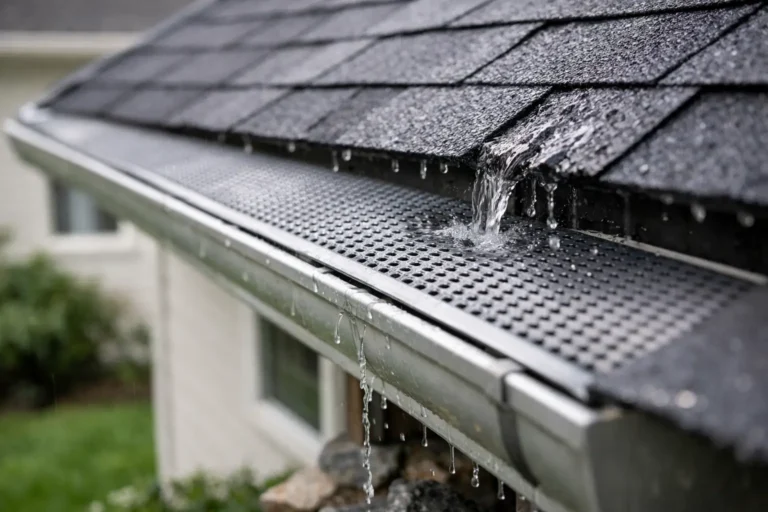
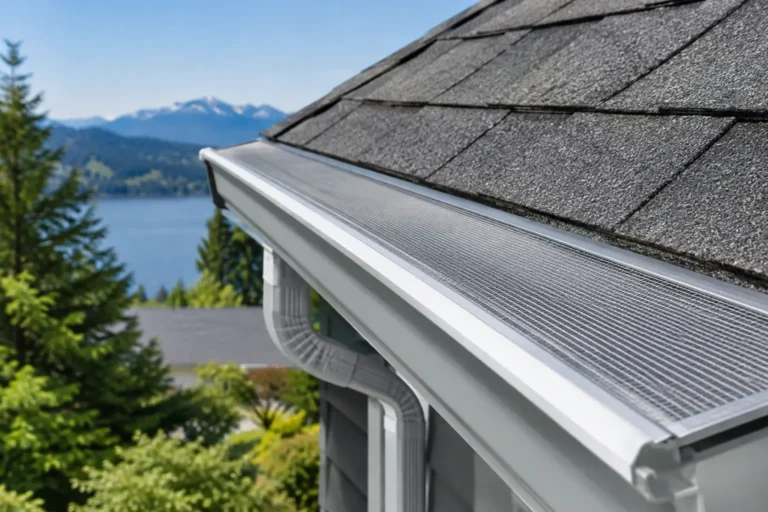
Gutter guards deserve the same scrutiny. In this region, not every product performs well against fine roof grit and evergreen needles. Homeowners often find that out after paying for a system that still clogs or requires frequent brushing. A stainless steel micro-mesh guard paired with a properly installed gutter system is a very different solution than a generic cover installed over an aging trough.
What to expect before installation day
A professional contractor should make the process clear before the crew ever arrives. That starts with a site visit and quote based on your actual home, not a one-size-fits-all estimate. Measurements should be specific. Material options should be explained in plain language. You should also know whether your project is a likely one-day installation or if the house may require additional time.
This is also the stage where good contractors identify issues that can affect scope. They should look at rooflines, fascia condition, drainage patterns, downspout placement, and debris exposure. If a section of the home collects heavy needle drop, that should be part of the recommendation.
For homeowners, this is the time to ask practical questions. What gauge aluminum is being used? How are the gutters fastened? Are the sections seamless? What type of guard is recommended for local tree coverage? Is there a workmanship warranty in addition to the product warranty? Direct answers matter.
What happens on the day of the install
On installation day, the job should feel organized. The crew removes the old system, clears the work area, and prepares the roof edge for the new install. If the fascia is sound, they move into fabrication and mounting. If hidden damage appears, you should be shown the issue and given a straightforward explanation of what needs to happen next.
The best installs do not rely on guesswork. Downspout placement is chosen to move water efficiently. Hangers are spaced for strength. Miters and outlets are fitted cleanly. The system is pitched to drain instead of trapping water. If guards are part of the project, they should be secured in a way that works with the roofline and the gutter profile.
A quality crew also leaves the property in good condition. Debris should be cleaned up, old materials hauled away, and the finished system checked before they leave.
One day gutter installation and gutter guards
For many homeowners, the real value is not just replacing old gutters quickly. It is getting a full system that reduces ongoing maintenance. One day gutter installation often pairs well with gutter guard installation because both jobs involve the same roof edge and drainage layout.
This can be especially useful in areas with fir trees, pine needles, and roof sediment. If you replace gutters now and plan to add guards later, you may end up paying for multiple visits and missing the opportunity to build the whole system correctly from the start.
A company like NW Gutter Protection approaches this as a performance issue, not just a convenience upgrade. The goal is to install a gutter system that sheds water correctly, holds up under Northwest conditions, and cuts down on the cleaning cycle that frustrates so many homeowners.
How to know if a contractor can really do it in one day
Not every company advertising fast turnaround is delivering the same thing. Ask how they determine whether your project qualifies. Ask whether the gutters are custom measured and fabricated for your home. Ask what happens if fascia damage is discovered. Ask who you contact if there is a problem after the installation.
You are looking for confidence without pressure. A trustworthy contractor will tell you when one day is realistic and when it is not. They will explain the trade-offs clearly. If your home needs added drainage capacity or repairs first, that is not bad news – it is the kind of honesty that prevents future water damage.
For homeowners in the Portland metro and Southwest Washington, local experience matters here. Heavy rain, evergreen debris, and roof runoff patterns in this region are not theoretical problems. They show up every season. The right installer understands that and builds accordingly.
A fast install should leave you with more than a nicer roofline. It should leave you with confidence the next time a storm rolls through, because the job was done with the right materials, the right pitch, and the right expectations from the start.