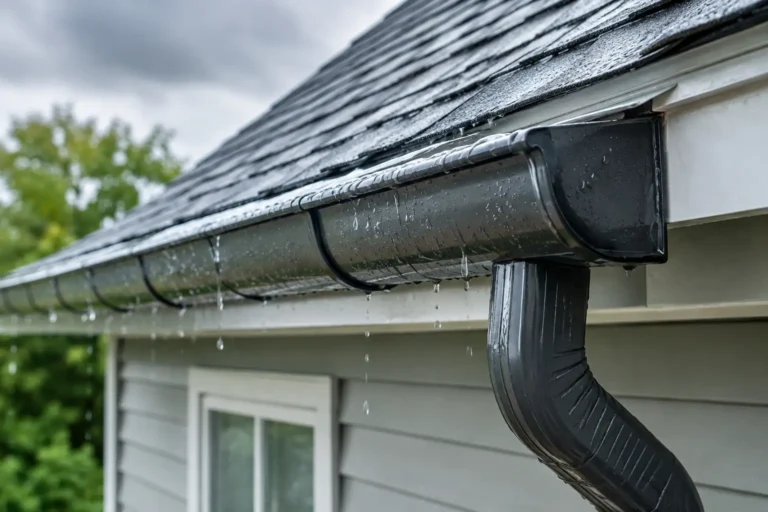
Do Gutters Need Flashing? What Homeowners Should Know
A gutter can be perfectly sized, securely hung, and free of debris, yet still send water behind the system if the roof edge is not detailed correctly. Homeowners often ask whether gutters need flashing, especially after noticing stained fascia boards, peeling paint, or water spilling over the back of the gutter during a hard Pacific Northwest rain.
The short answer is: sometimes. Not every home needs new gutter flashing, but every roof-to-gutter connection needs a reliable path for water. If rainwater can run behind the gutter instead of into it, the fascia, soffit, roof sheathing, and siding are all at risk. In Southwest Washington and the Portland metro, where extended rain is normal, a small installation gap can become an expensive moisture problem.
Do Gutters Need Flashing on Every Home?
Gutters do not always need a separate piece of flashing added during installation. Many roofs already have properly installed drip edge – the metal edging at the bottom of the roof that directs water away from the roof deck and into the gutter. When that drip edge extends correctly over the gutter, it may provide all the protection the roof edge needs.
Problems begin when the existing drip edge is missing, damaged, installed behind the gutter, or too short to direct water into it. On older homes, it is common to find no metal roof edge at all. Instead, water follows the shingles, curls under the roof edge, and reaches the fascia before it ever enters the gutter.
A professional installer should assess the existing roof edge before replacing gutters or adding gutter guards. The answer depends on the roof design, shingle condition, fascia condition, gutter placement, and how water behaves during actual rainfall. Adding flashing where it is needed is good preventive work. Adding it where the existing drip edge already works can be unnecessary expense.
What Roof-to-Gutter Flashing Does
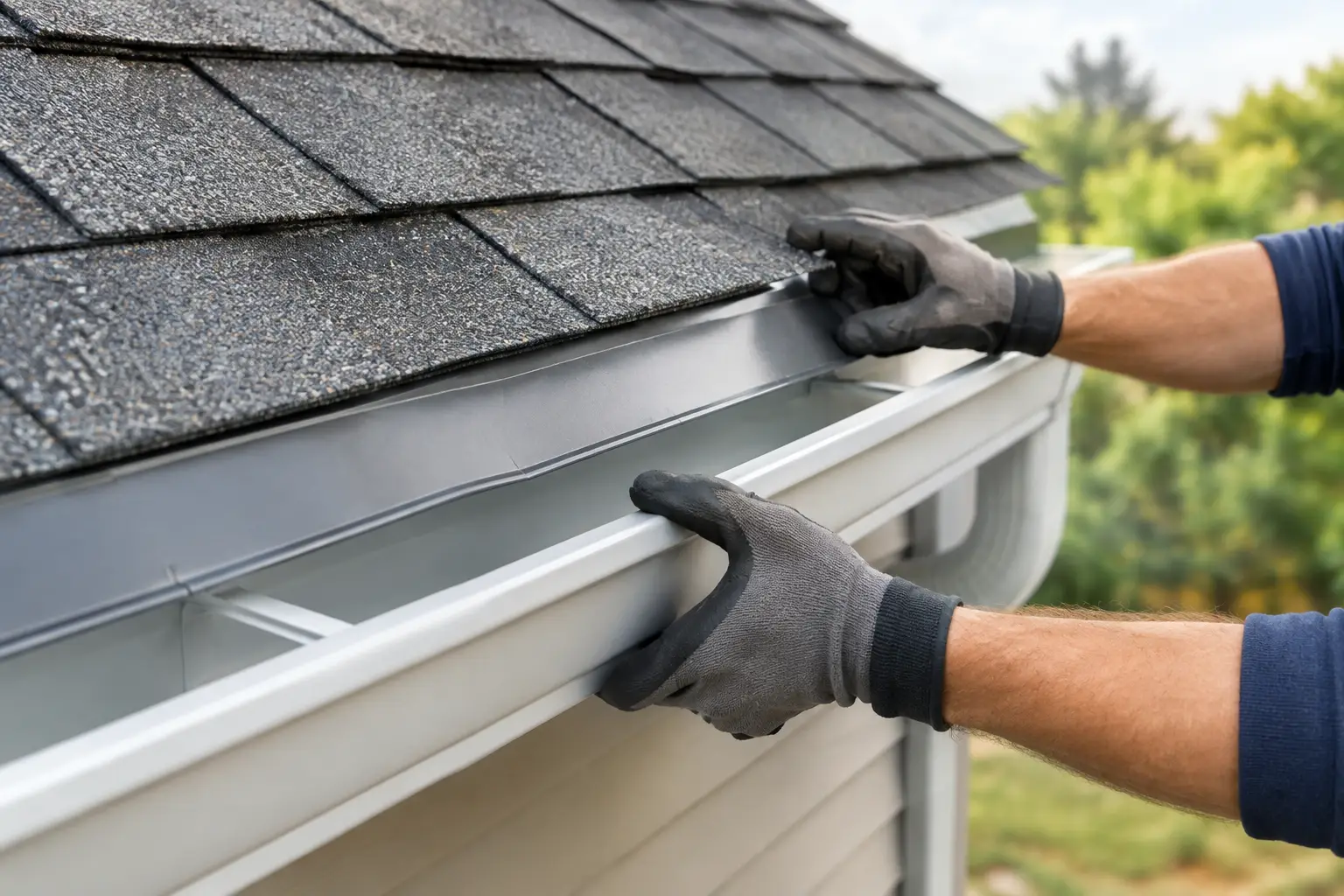
Roof-to-gutter flashing is often called gutter apron flashing. It is a shaped piece of metal that extends from beneath the roof edge and out over the back of the gutter. Its job is simple: keep water moving forward.
When water leaves the roof, flashing prevents it from getting behind the gutter. This matters because the area behind a gutter stays hidden until damage becomes obvious. By the time paint is bubbling or the gutter is pulling away, the wood behind it may have been wet for a long time.
Proper flashing can help prevent several common issues:
- Rotting fascia boards and damaged soffits
- Water stains on siding near the roofline
- Hidden deterioration in roof decking
- Ice-related water intrusion during occasional freezing weather
- Water bypassing a gutter guard and running behind the system
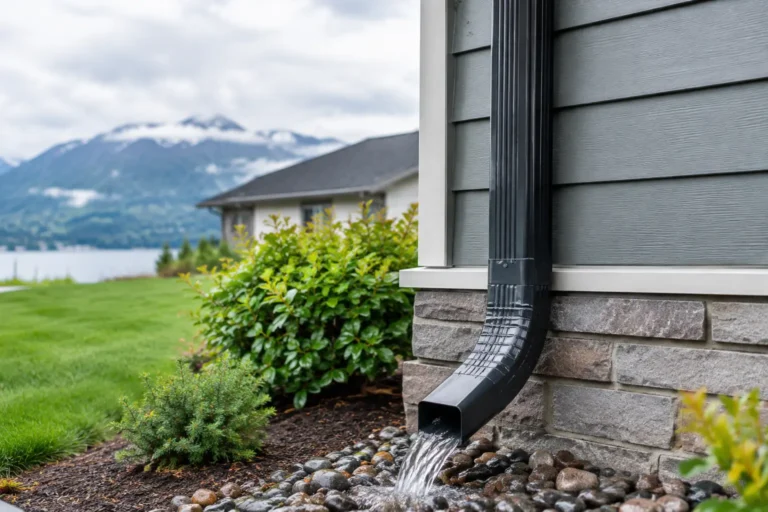
The last point is particularly relevant for homes with gutter guards. A quality micro-mesh guard is designed to manage water at the roof edge while blocking pine needles, fir debris, roof grit, and leaves. But a guard cannot correct a poorly managed roof edge by itself. Water still needs to be directed into the gutter system before it can flow to the downspouts.
Signs Your Gutters May Need Flashing
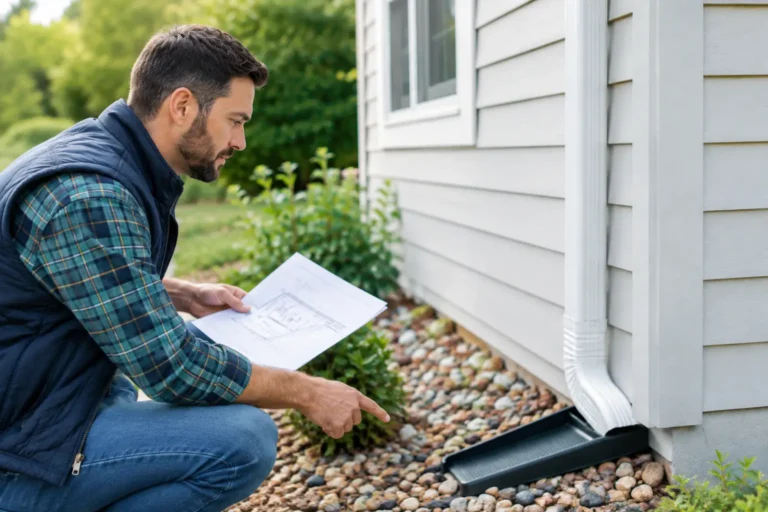
You do not need to climb a ladder to spot every issue. A walk around the house during or shortly after rainfall can reveal a lot. Look at the top edge of the gutter and the board directly behind it. If water appears to be running down the face of the fascia instead of entering the gutter, the roof edge may need attention.
Peeling paint, dark streaks, soft wood, or green algae growth near the fascia are also warning signs. So is a gutter that overflows from the back even when the trough itself is not clogged. Water may be missing the gutter rather than exceeding its capacity.
Inside the attic, watch for damp insulation near the exterior wall, staining on roof sheathing close to the eaves, or a musty odor after prolonged rain. These symptoms do not automatically mean flashing is the cause, since roof leaks and ventilation issues can produce similar signs. They do mean the roof edge deserves a closer look.
Older homes in Vancouver, Portland, Camas, and surrounding communities often have original gutters installed decades ago. During a replacement project, that is the right time to inspect the fascia and existing drip edge. Replacing a failing gutter without addressing water getting behind it only covers up the real problem.
Drip Edge and Gutter Flashing Are Not the Same Thing
The terms are often used interchangeably, but they can refer to different parts of the roof edge.
Drip edge is generally installed under the shingles at the roof perimeter. It protects the roof deck and guides runoff away from the fascia. Gutter apron flashing is typically used when additional coverage is needed to bridge the space between the roof edge and gutter.
On a newer roof, the existing drip edge may extend far enough to do the job without gutter apron. On another home, a contractor may install gutter apron beneath the existing drip edge to improve the transition into the gutter. The correct approach should protect the roof without damaging shingles, trapping water, or interfering with roof ventilation.
This is why one-size-fits-all answers can be misleading. A roof edge is a system. Shingles, underlayment, drip edge, fascia, gutters, guards, and downspouts all need to work together.
Flashing Is Not a Substitute for Proper Gutter Installation
Flashing protects the area behind the gutter, but it does not fix a gutter that is undersized, pitched incorrectly, or poorly supported. In the Pacific Northwest, heavy rain can expose weak installation quickly.
The gutter must be set at the right height relative to the roof edge. Too high, and water can shoot past the front during fast runoff. Too low, and water may fall behind it. It also needs the correct slope toward the downspouts, enough outlet capacity, and strong hidden hangers that hold the system close to the fascia.
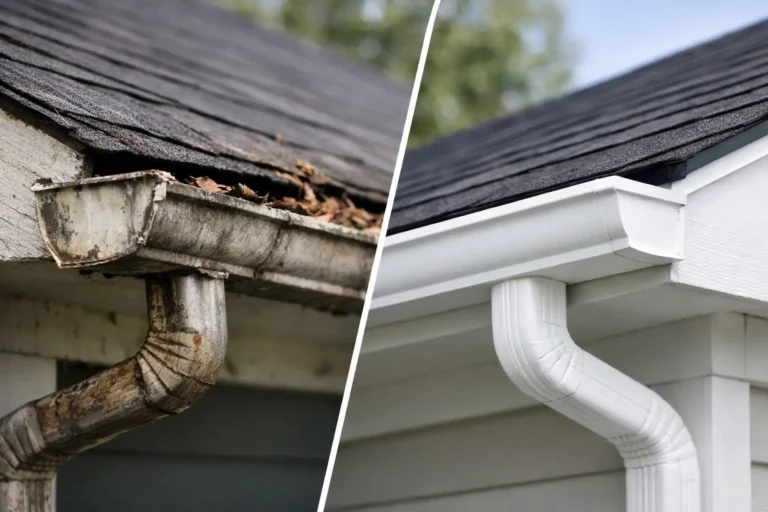
Seamless aluminum gutters are custom formed to the home, which reduces leak-prone joints along long runs. That is a meaningful advantage, but the installation details still matter just as much as the material. A durable gutter system starts with sound fascia, correct placement, secure fastening, and an honest assessment of the roof edge.
When Flashing Work May Require More Than a Gutter Contractor
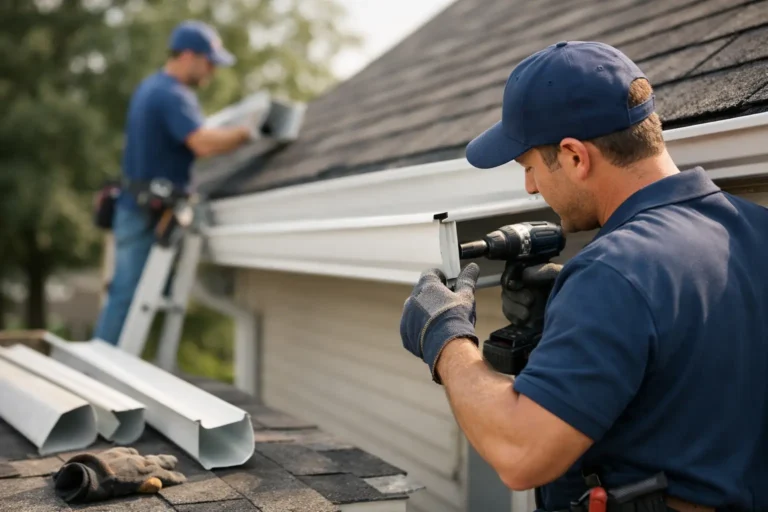
In many cases, gutter apron flashing can be installed as part of a gutter replacement or gutter guard project. But there are situations where a roofer should be involved.
If shingles are brittle, lifting, near the end of their service life, or already leaking, disturbing the roof edge may create more problems than it solves. Significant rot in the roof deck or fascia may also require carpentry before new gutters can be installed securely. A responsible contractor should explain what they found rather than fastening a new system to compromised wood.
For homeowners, the practical question is not whether metal flashing is present. It is whether the roof edge is shedding water where it belongs. During an estimate, ask the installer to explain the condition of the existing drip edge, where water will land relative to the gutter, and whether any fascia repair is needed before installation.
A Better Way to Protect the Roofline
The best gutter solution is not simply the product with the biggest promise. It is a system designed around the home, the roof, and the debris conditions around it. Tall fir trees, pine needles, moss-prone roofs, and months of steady rain place different demands on a home than a dry climate with occasional storms.
If your gutters overflow, pull away from the house, or show signs of water behind them, do not assume the gutter itself is the only issue. Have the roof edge, flashing, fascia, and drainage layout evaluated together. A clear answer at the start can protect far more than a gutter line – it can protect the wood and structure that gutter line was installed to serve.