When Should Gutters Be Replaced?
A gutter system can look fine from the ground and still be close to failure. Homeowners in the Pacific Northwest see this all the time. A few seasons of heavy rain, fir needles, roof grit, and standing water can wear down gutters faster than expected. If you are asking when should gutters be replaced, the right answer is usually based on performance, not just age.
Gutters are there to control water before it gets into fascia boards, siding, landscaping, crawl spaces, and foundations. Once they stop moving water correctly, the damage can spread quietly. That is why replacement timing matters. Waiting too long often costs more than replacing the system at the right moment.
When should gutters be replaced instead of repaired?
Repairs make sense when the problem is isolated. A loose hanger, a short section pulling away, or a single leaking seam can often be fixed without replacing the full system. But there is a point where repairs become temporary patches on a system that is already worn out.
If leaks are showing up in multiple places, the gutters are sagging along long stretches, or the metal is separating at several joints, replacement is usually the smarter investment. The same goes for systems that were undersized from the start. In the Portland metro and Southwest Washington, heavy rainfall can overwhelm older gutters that simply do not have enough capacity to handle roof runoff.
A good rule is this: if you are calling for gutter repairs over and over, the system is probably telling you it is done.
The clearest signs your gutters are at the end of their life
Some warning signs are obvious, while others show up around the home before you ever look at the gutter itself.
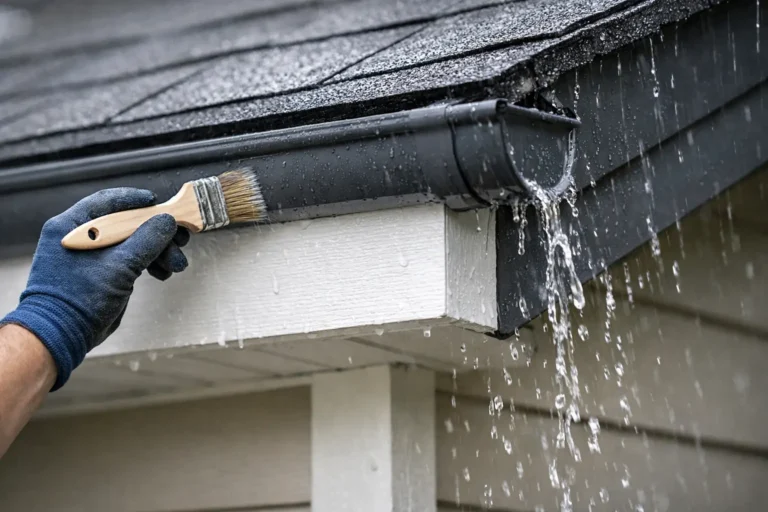
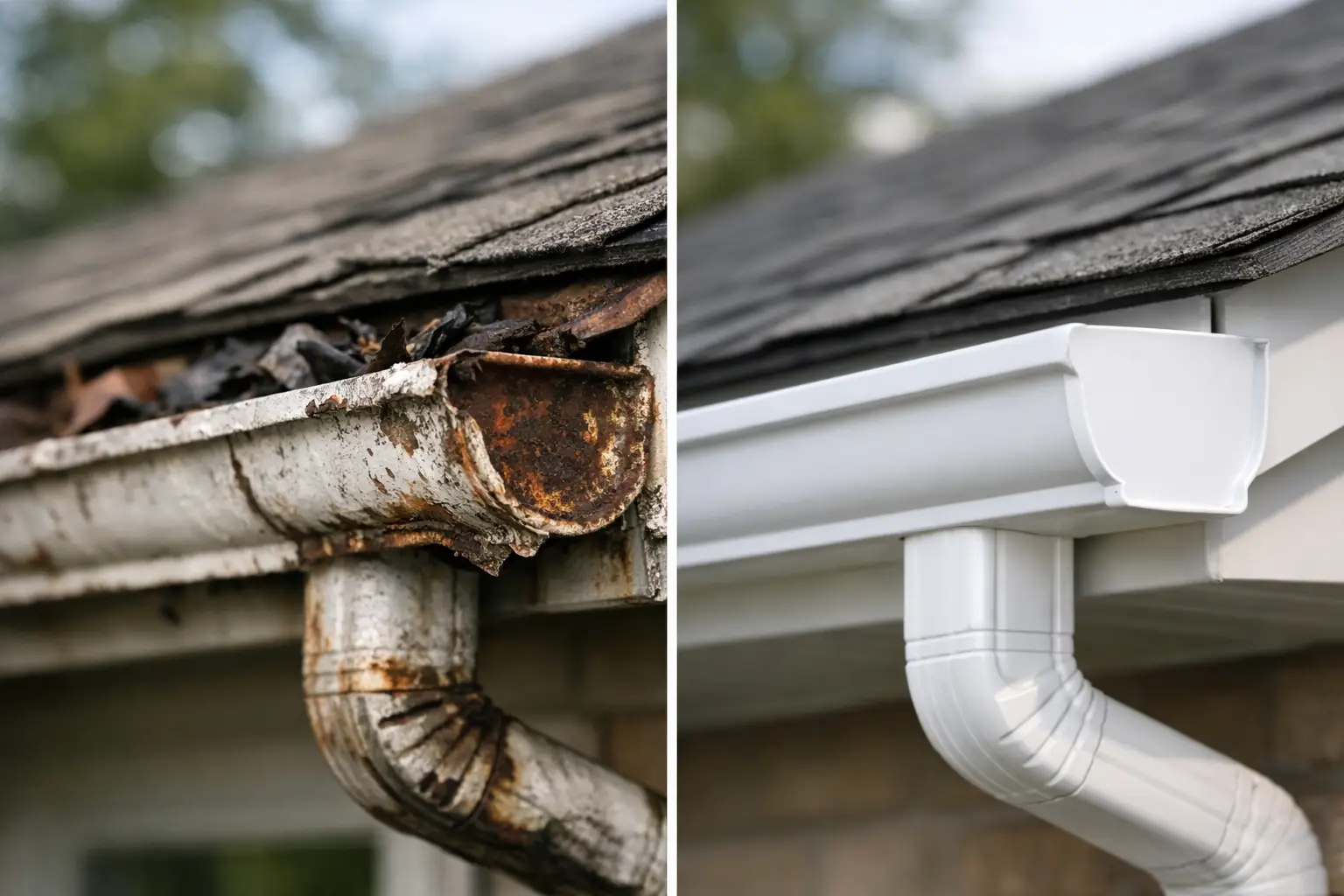
Cracks, splits, and holes are direct signs of failure. Even small openings matter because water does not stay neatly inside the system once it starts escaping. It can run behind the gutter, soak the fascia, and stain the siding.
Rust is another red flag, especially on older steel systems. Surface rust can sometimes be managed early, but widespread corrosion usually means the metal is weakening. Once rust eats through key areas, repairs tend to be short-lived.
Sagging or pulling away from the house is also serious. This often means the fasteners are failing, the fascia has softened from moisture, or the gutter has been carrying too much standing water and debris for too long. In the Pacific Northwest, pine needles and wet organic buildup add weight fast.
Peeling paint, mildew, or dark streaks on exterior walls can point to water escaping where it should not. So can erosion below the roofline, mulch washout, or puddling near the foundation. Sometimes the gutter itself is not the first thing the homeowner notices. The landscape tells the story first.
If seams keep separating, that is another sign the system may be nearing replacement time. Sectional gutters have more joints, and every joint is a potential weak point. Once several seams start leaking, replacing the system with seamless gutters often makes more sense than chasing one leak after another.
How long do gutters usually last?
Material matters, but so do installation quality, maintenance, and local weather.
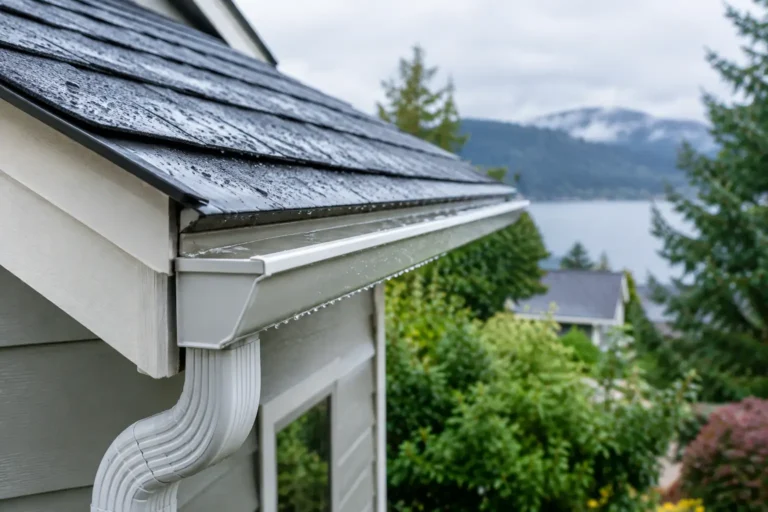
Aluminum gutters are one of the most common choices for residential homes and often last around 20 years or more when properly installed and maintained. In many cases, seamless aluminum gutters perform better over time than older sectional systems because they have fewer leak points.
Steel gutters can be strong, but they are more vulnerable to rust over time. Vinyl gutters are inexpensive, but they are usually not the best fit for long-term durability, especially where temperature swings and debris loads are part of the equation.
In the Pacific Northwest, lifespan is often shortened by conditions that are harder on gutter systems than homeowners realize. Constant moisture, overflowing debris, asphalt roof granules, moss, and evergreen needles all increase wear. A gutter that might last longer in a drier climate may age faster here if it is undersized, poorly pitched, or constantly clogged.
That is why age alone should not decide the issue. A 12-year-old gutter system installed poorly may need replacement sooner than a 20-year-old system that was custom fit and maintained well.
When should gutters be replaced in the Pacific Northwest?
This region puts gutters to work nearly year-round. That changes the answer.
If your gutters overflow during ordinary rain, not just major storms, something is wrong. It could be clogging, improper pitch, weak capacity, or hidden damage. If cleaning helps only briefly before the same problem returns, replacement may be the better long-term move.
Homes surrounded by firs, pines, and other debris-heavy trees face another issue. Gutters can wear down faster because wet needles trap moisture and create constant backup. Water sits where it should flow. That leads to corrosion, seam failure, fascia damage, and hanger stress.
A lot of older systems in this area were also installed without the benefit of better modern components. Hidden hangers, custom seamless runs, and high-performance gutter guards can make a big difference in durability and water control. For many homeowners, replacement is not just about solving damage. It is about upgrading to a system built for local conditions.
Repair vs replacement comes down to total value
Many homeowners hesitate because replacement sounds like the bigger expense. That is fair. But the better question is what you are actually paying for over time.
If a repair gives you several more solid years from an otherwise healthy system, that is money well spent. If the repair only buys a few months before the next leak, next overflow, or next fascia issue, it is not really saving you money.
Replacement becomes the better value when the existing system has multiple failure points, when water is already affecting surrounding materials, or when the gutters are no longer suited to the roof and rainfall volume. A properly sized seamless system with professional installation can reduce maintenance headaches and help protect much more expensive parts of the home.
This is especially true if you are already dealing with recurring clogs. Adding guards to a failing gutter system is usually not the answer. The base system has to be solid first.
What a homeowner should look at before deciding
Start with the age of the gutters, but do not stop there. Look at how they perform during rain. If possible, walk the exterior afterward and check for runoff marks, standing water, and splashback near the foundation.
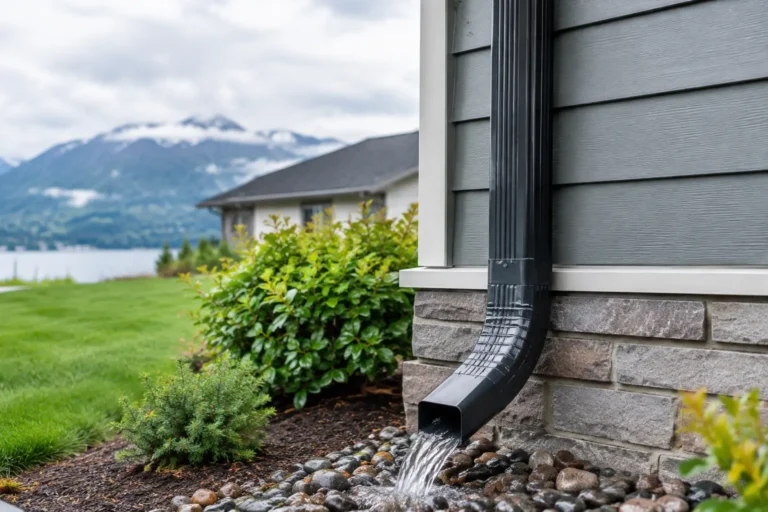
Then look at the gutters themselves. Are they level and secure? Are the corners and seams holding? Do you see rust, pinholes, or sections bending outward? Are downspouts actually moving water away from the house, or dumping it too close to the base?
Also pay attention to what is happening behind the gutter. Soft fascia, peeling trim paint, or visible wood rot often means water has been escaping for a while. At that stage, the problem is bigger than the metal trough you can see.
If your system struggles every fall and winter despite regular cleaning, the issue may be design, not maintenance. That is when a professional inspection is useful. A good contractor should be able to tell you plainly whether repair is still worth it or whether replacement is the more practical choice.
Why installation quality matters as much as the gutter itself
A lot of premature gutter failure comes back to installation. Poor pitch, weak fastening, bad downspout placement, and shortcuts at corners or roof transitions all shorten the life of the system.
That is why replacing gutters is not just about swapping old metal for new metal. It is about proper measurement, correct sizing, strong attachment, and building the system around the roofline and water volume of the home. In this region, it also means planning for debris and not pretending a one-size-fits-all product will handle every property.
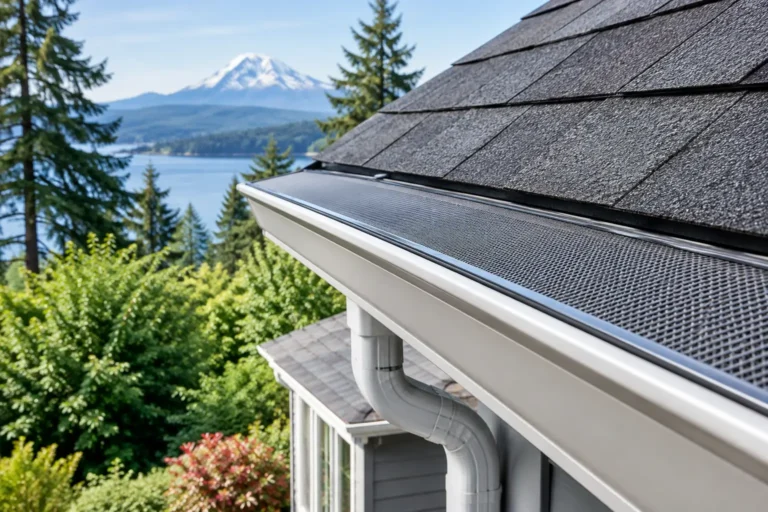
For homeowners who want fewer maintenance problems, this is also the right time to think about gutter protection. A well-built guard system can help keep needles, leaves, and roof grit out of the trough while allowing water in. But it has to be matched to the local environment and installed on a sound gutter system. At NW Gutter Protection, that climate-specific approach is a big part of what makes a system hold up better over time.
If your gutters are leaking in several places, pulling loose, overflowing regularly, or showing signs of rust and rot around the roofline, replacement is probably closer than you think. The best time to replace them is before water damage forces the decision for you.