How to Protect Fascia Boards From Water Damage
Water stains beneath the gutter line, peeling paint at the roof edge, and soft wood near a downspout are not cosmetic problems. They are early warnings that water is reaching places it should not. Learning how to protect fascia boards starts with controlling roof runoff before it can overflow, back up, or sit against the wood.
For homeowners in Southwest Washington and the Portland metro, that job matters even more. Long wet seasons, wind-driven rain, moss, roof grit, and fir and pine needles put gutter systems under steady pressure. A fascia board can last for decades when it stays dry. When gutters fail, even a small trouble spot can turn into rot, pest access, damaged soffits, and costly repairs.
What Fascia Boards Do and Why They Fail
Fascia boards run along the lower edge of the roof, directly behind the gutters. They create a clean roofline, support the gutter system, and help close off the roof structure from weather and animals. On many homes, the gutter is fastened through the gutter back into the fascia, so the condition of that board affects the strength of the entire drainage system.
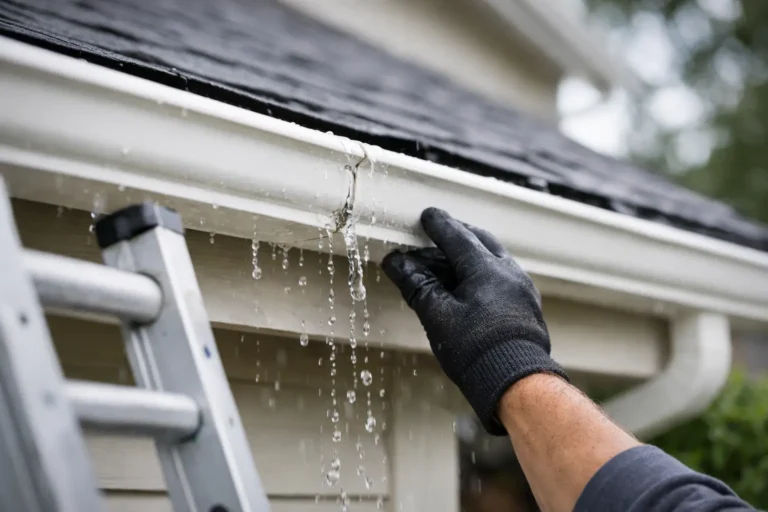
Fascia damage usually comes from repeated moisture exposure, not one dramatic storm. Water spills over a clogged gutter, drips behind a loose gutter, or pools where the gutter has pulled away from the roofline. Paint begins to fail, then the wood absorbs water. Over time, the board softens and fasteners lose their grip.
A leaking roof edge can create similar damage. If flashing, drip edge, or roofing materials do not direct water into the gutter, water may run behind it instead. That is why replacing gutters without checking the fascia and roof edge can leave the real problem unresolved.
How to Protect Fascia Boards With Proper Gutter Drainage
The most dependable way to protect fascia boards is to make sure water enters the gutter, moves freely through it, and exits well away from the home. Every part of the system has to work together.
Keep gutters clear enough to carry rainwater
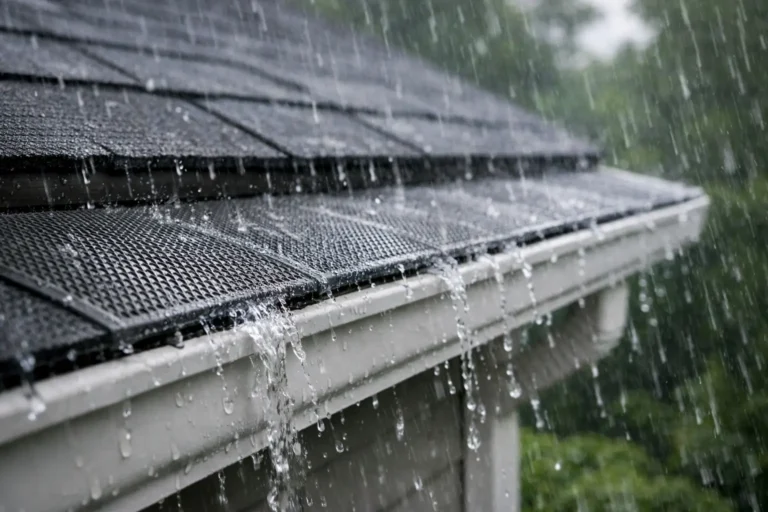
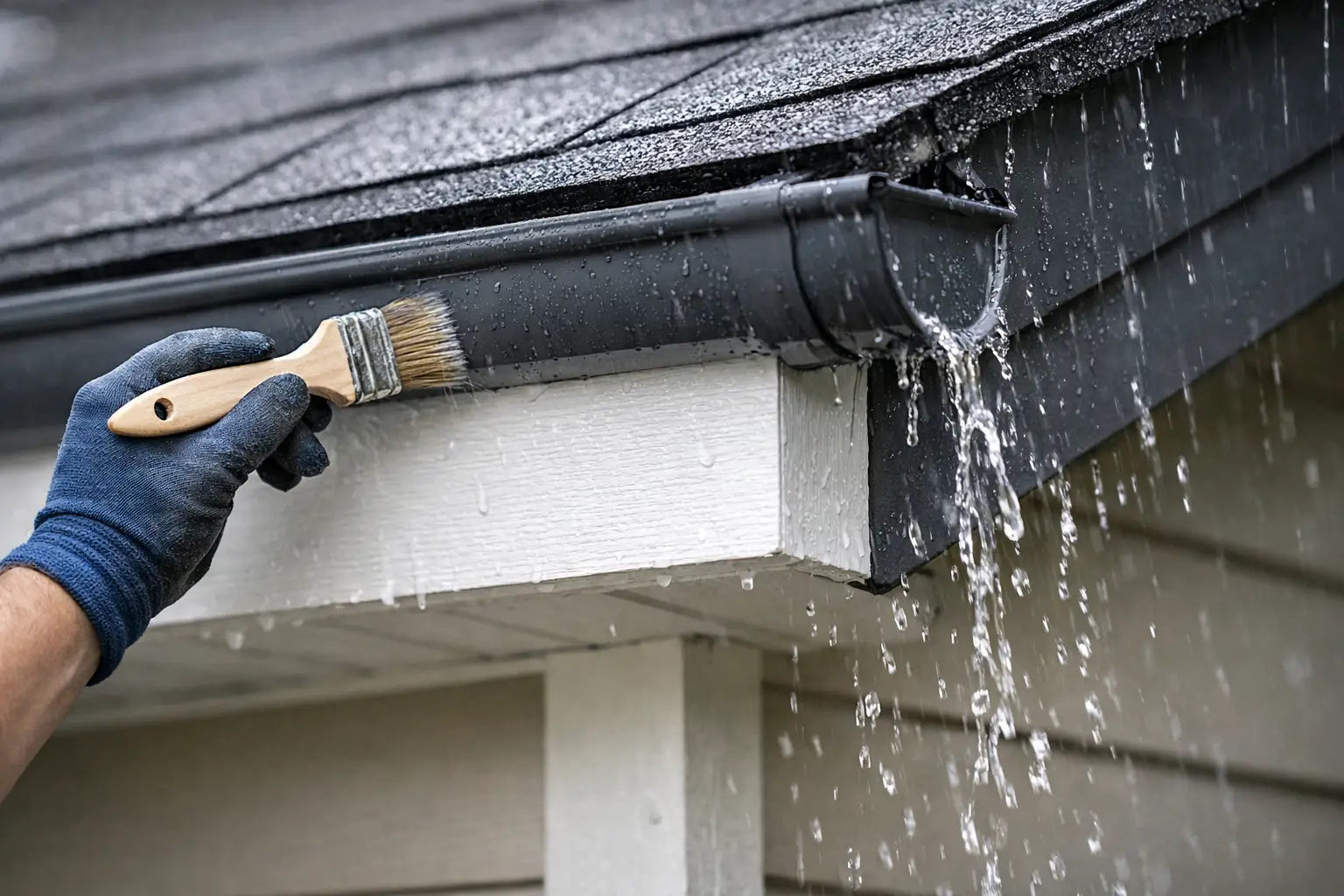
Clogged gutters are the most common cause of fascia rot. Leaves and roof debris form a dam, especially near downspouts. During a heavy Pacific Northwest rain, water rises over the front or back of the gutter. Backward overflow is particularly damaging because it sends water directly onto the fascia board.
Traditional open gutters need regular cleaning, and homes below evergreens may need it more than once each season. Pine and fir needles, shingle grit, seed pods, and moss can collect in ways that are easy to miss from the ground.
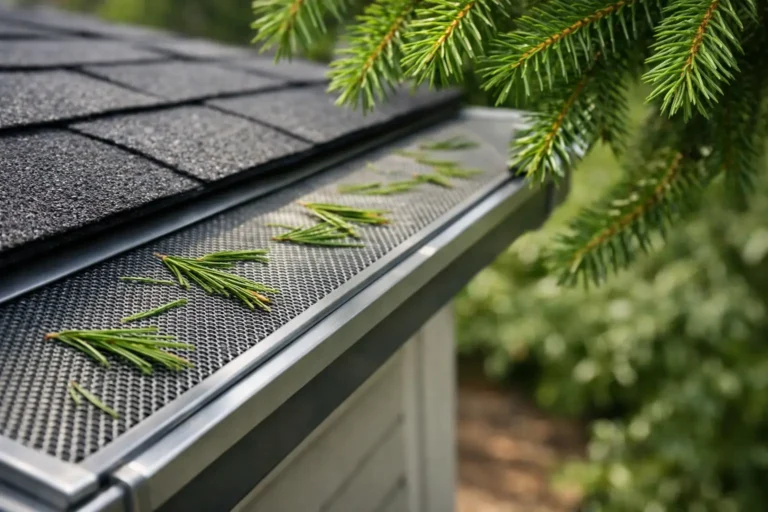
A professionally installed micro-mesh gutter guard can reduce that maintenance burden by keeping larger debris and fine needles out of the gutter trough while allowing rainwater in. Guards are not a substitute for correct gutter sizing, pitch, and downspout capacity. They work best as part of a complete drainage system rather than as a cover placed over an existing gutter problem.
Make sure gutters are pitched and securely fastened
A gutter should have a subtle, intentional slope toward its downspout. If the pitch is wrong, standing water remains in the channel and adds unnecessary weight. If the gutter is too flat, water can move slowly enough for debris to settle and build a blockage.
Secure attachment matters just as much. Sagging gutters often signal loose fasteners, deteriorated fascia, or both. The gutter can then pull away from the roof edge, creating a gap where rain runs behind it. Hidden hangers installed at proper spacing provide a stronger, cleaner attachment than systems that rely on weak or widely spaced fasteners.
Do not simply drive longer screws into wood that has already rotted. That may hold temporarily, but it does not restore structural strength. Replace compromised fascia first, then install or reattach the gutter to sound material.
Match gutter and downspout capacity to the roof
Some homes have a gutter system that is technically intact but too small for the roof area or rain volume it handles. This often shows up as front-edge overflow during hard rain, even when the gutters appear clean. Valleys and roof sections where several slopes drain into one area can overwhelm an undersized system quickly.
Larger gutters, appropriately sized downspouts, and additional downspouts where needed can move water more effectively. The right solution depends on the roof layout, the drainage path, and local debris conditions. A one-size-fits-all installation may cost less upfront, but it can leave the fascia exposed during the storms that matter most.
Check the Roof Edge, Drip Edge, and Flashing
Gutters cannot protect fascia boards if water is bypassing them at the roof edge. A properly installed drip edge helps direct water from the roofing material into the gutter. When it is missing, damaged, or improperly positioned, water can wick backward or run behind the gutter.
Look for dark streaks on the fascia, peeling paint concentrated behind the gutter, or staining on the soffit below. These clues may point to roof-edge drainage trouble rather than a simple clog. Water coming from behind the gutter needs a different repair than water spilling over its front edge.
This is also worth checking after a roof replacement. Roofing and gutter work should meet cleanly at the eave. If either trade leaves a gap or installs materials in the wrong sequence, the fascia can become the collection point for water.
Maintain the Protective Finish on Wood Fascia
Paint and primer are part of the fascia board’s weather defense. Once paint cracks, blisters, or peels, moisture can enter the wood more easily. In a damp climate, waiting until the board looks badly weathered usually means water has already started working below the surface.
Inspect painted fascia at least once a year, preferably in dry weather. Scrape loose paint, address bare spots, and use exterior-grade primer and paint suited for trim. Caulk open joints and nail holes, but do not use caulk as a way to hide a gutter leak. The water source still needs to be corrected.
If replacing a section of fascia, use a material and finish appropriate for the exposure. Wood can perform well when it is properly primed, painted, and kept dry. Composite and wrapped options can reduce maintenance in some situations, but they do not solve overflow or improper gutter attachment. Water management remains the first priority.
Inspect the Areas Most Likely to Leak
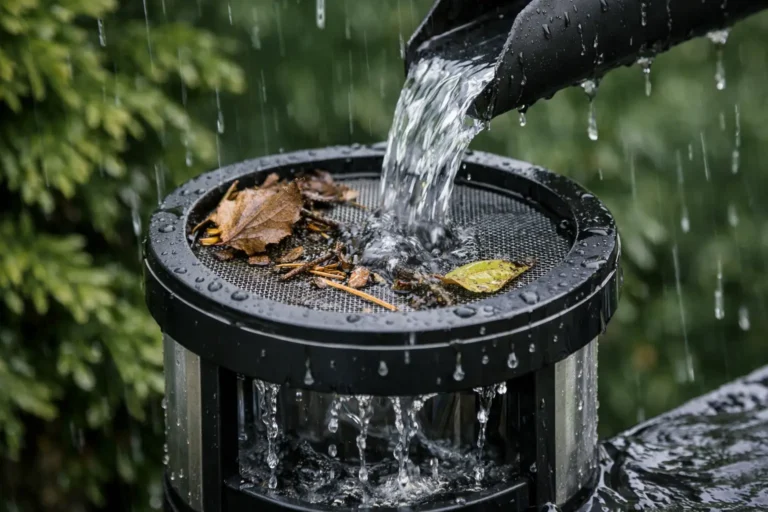
A quick visual inspection after a hard rain can reveal more than an inspection on a sunny day. From the ground, watch for water pouring over gutter edges, dripping behind the gutter, or shooting from seams. Check whether downspouts are carrying water away without backing up.
Pay close attention to inside corners, roof valleys, long gutter runs, and downspout outlets. These are common pressure points. Also look for gutters that appear uneven, sections that sit low, and visible gaps between the gutter and fascia.
Inside the attic, look near the eaves for damp insulation, water marks, or musty odors. Those signs may indicate a roof or flashing issue rather than gutter overflow, but either condition deserves prompt attention. Water damage spreads quietly when it is allowed to repeat through a rainy season.
Know When a Repair Is Enough and When Replacement Makes Sense
Small areas of peeling paint or a single loose hanger can often be handled with timely maintenance. Localized fascia rot may be repairable if the damage has not spread and the wood behind the gutter remains solid.
Replacement is usually the better choice when the fascia is soft over a long run, the gutter repeatedly pulls loose, or rot has reached the soffit or roof framing. At that point, patching the visible surface can create a false sense of security. The repair should include removing damaged material, correcting the drainage issue, and reinstalling the gutter with proper support.
For a new gutter system, ask how the installer evaluates fascia condition before work begins, how hangers are attached, where water will be directed, and whether the system is designed for needles and heavy rain. Those practical details matter more than a low initial price.
NW Gutter Protection approaches gutter work with Pacific Northwest conditions in mind, including the debris load that makes open gutters hard to maintain. A careful inspection and a correctly fitted system can prevent the repeated overflow that causes fascia damage in the first place.
Your fascia boards do not need constant attention, but they do need dry, controlled roof runoff. Address a sagging gutter, recurring overflow, or peeling roof-edge paint while the repair is still straightforward. Keeping water where it belongs is one of the simplest ways to protect the structure behind your home’s roofline.