
A Homeowner’s Guide to Gutter Guard Warranties
A gutter guard can look like a simple upgrade until the first hard November rain sends water over a gutter edge. For Pacific Northwest homeowners, the product matters, but so does the promise behind it. This guide to gutter guard warranties explains what warranty language really means, what to check before signing a contract, and why professional installation can be just as important as the guard itself.
Start With the Type of Warranty
Not all gutter guard warranties protect the same thing. A long warranty may sound reassuring, yet it may cover only a manufacturing defect while excluding clogs, labor, roof-related issues, or damage caused by improper installation.
Most quality gutter guard systems involve two separate forms of protection: a manufacturer warranty and an installer workmanship warranty. They serve different purposes, and homeowners should understand both before choosing a system.
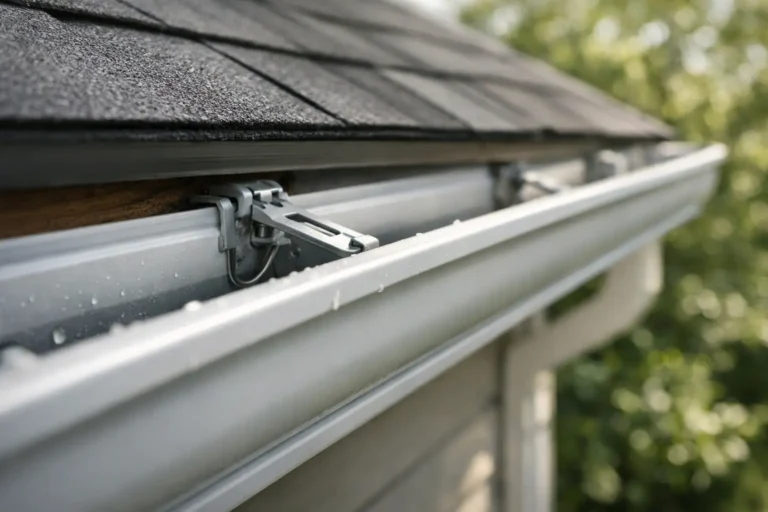
A manufacturer warranty generally covers the product itself. It may address defects in the stainless steel mesh, frame, coatings, or other components under normal use. A workmanship warranty comes from the contractor and addresses how the system was installed. That can include attachment to the gutter, fit along the roofline, fastening methods, and any issues caused by an installation error.
A product can carry a strong manufacturer warranty and still fail to perform properly if it was installed with poor pitch, weak fasteners, gaps at the roof edge, or an incorrect fit around valleys and downspouts. In a region with frequent rain and heavy evergreen debris, those installation details are not minor.
What a Gutter Guard Warranty Usually Covers
The written warranty should plainly state what the manufacturer promises to repair, replace, or reimburse. Coverage varies by product, but these are the areas worth reviewing closely.
Material defects
This is the foundation of most manufacturer warranties. It covers failure caused by a defect in the guard material or its construction, rather than ordinary wear or outside damage. For example, a premium stainless steel micro-mesh guard may be covered if its frame separates or the material breaks down under normal conditions.
Read how the warranty defines normal use. A guard installed below a roof with heavy moss, aging shingles, or unusual runoff may face conditions that require additional maintenance or a different installation approach.
Performance claims
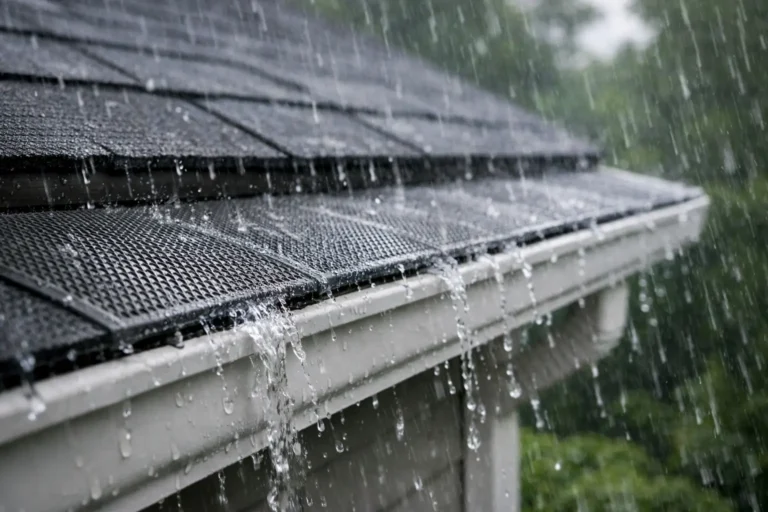
Some warranties make a performance promise, often related to keeping gutters from clogging. The wording matters. A clog warranty may cover the guard itself if it allows debris into the gutter, but it might not cover a clogged underground drain, a damaged downspout, or water that overshoots the gutter during extreme rainfall.
It is also wise to ask how the manufacturer defines a clog. Pine needles, fir needles, roof grit, maple seeds, and moss are common realities around Vancouver, Camas, Portland, and the surrounding area. A system should be selected and installed for those conditions, not just for large, dry leaves.
Finish and corrosion coverage
If a guard includes painted aluminum components or other finished surfaces, the warranty may address peeling, cracking, or excessive fading. Stainless steel mesh is valued in part because it resists corrosion, but no exterior product should be treated as maintenance-free forever.
Coastal exposure, tree sap, roof runoff, and accumulated organic debris can affect any exterior system over time. The warranty should explain whether discoloration is cosmetic or covered damage.
Replacement parts versus labor
This is one of the most overlooked details. A manufacturer may agree to provide replacement material but not pay the labor required to remove and reinstall it. If a problem occurs years later, labor can be a meaningful part of the cost.
Ask the contractor who handles warranty service, who contacts the manufacturer, and whether a service visit is covered under the installation warranty. Clear answers before installation prevent frustrating surprises later.
The Fine Print That Can Change the Value of Coverage
A warranty is only as useful as its exclusions. That does not mean exclusions are a red flag. Every exterior product has reasonable limits. The key is knowing those limits before you rely on the warranty.
Storm damage, falling limbs, windblown objects, ice, fire, pest activity, and structural movement are commonly excluded. Damage caused by roof work, pressure washing, improper cleaning, or modifications made by someone other than the original installer may also fall outside coverage.
Pay close attention to maintenance requirements. A gutter guard reduces routine gutter cleaning, but it does not eliminate every maintenance need. Debris can collect on top of the mesh, especially near roof valleys or beneath large evergreens. Periodic visual checks and light clearing may be necessary to keep water flowing as intended.
The roof itself can affect coverage and performance. Excessive roof grit from older composition shingles may accumulate on the guard surface. Moss can redirect water and debris. A roof edge with damaged flashing or an improper drip edge can send water behind a guard instead of into the gutter. Those are roof or drainage conditions, not necessarily a guard defect.
Guide to Gutter Guard Warranties: Questions to Ask
A straightforward contractor should be comfortable answering warranty questions in plain language. Before approving a proposal, ask whether the warranty is provided in writing and whether it covers the product, the installation, or both.
Ask how long the coverage lasts, whether the term begins on the installation date, and whether the warranty is prorated. A prorated warranty may provide less value as the years pass. Also ask whether the warranty includes parts only or parts and labor.
Transferability deserves special attention if you may sell your home. A transferable warranty can be a useful selling point, but transfer rules vary. Some require the new owner to register within a certain number of days. Others permit one transfer only, charge an administrative fee, or reduce coverage after the home changes hands.
Finally, ask what happens if service is needed. Will the local installer inspect the issue? Does the homeowner need to submit photos? Is there a process for determining whether the cause is the product, installation, roof condition, or storm damage? A clear service path matters more than vague assurances that a product is guaranteed.
Why Installation Quality Supports Warranty Protection
Gutter guards are not a one-size-fits-all screen laid across a gutter. A dependable installation begins with evaluating the existing gutter system. The gutters should be securely fastened, properly pitched, and large enough to handle roof runoff. Downspouts need to be clear and placed where they can move water away from the home.
The guard must also be custom-fit to the roofline and gutter profile. Roof valleys, inside corners, steep roof sections, and areas below tall firs often need additional attention. When these details are ignored, water can overshoot the gutter or debris can concentrate in a single trouble spot.
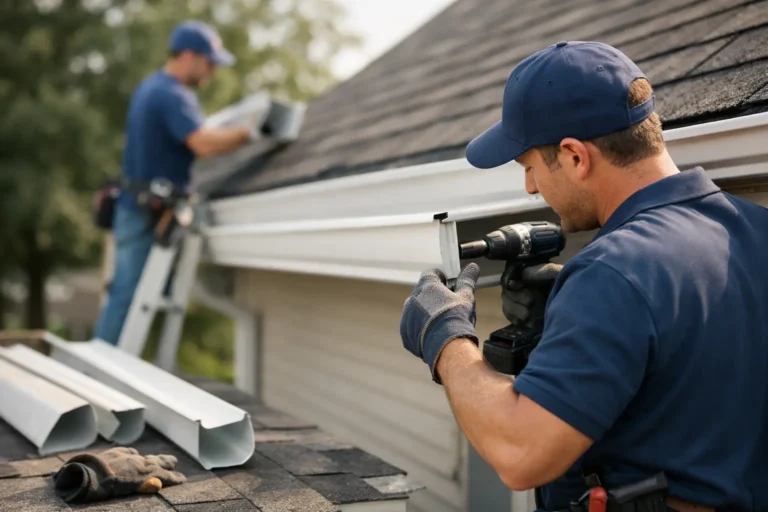
Professional installers should also avoid methods that compromise the roof or create weak points. The right attachment approach depends on the roof edge, existing gutter condition, and guard system. A contractor should be able to explain how the guards will be secured and how the installation works with the home’s drainage system.
For homeowners who choose Gutter Glove Pro, NW Gutter Protection offers a 50-year transferable manufacturer warranty on the system. The applicable written terms still matter, including registration and exclusions, so reviewing them before the project begins is the right approach.
Do Not Confuse a Long Warranty With a Better System
Warranty length is useful, but it should not be the only buying decision. A 50-year warranty on a guard that is poorly matched to your roof or installed over failing gutters does not solve the underlying drainage problem.
Look at the full system: the guard material, mesh design, gutter condition, hidden hanger strength, downspout capacity, roofline details, and the local contractor’s willingness to stand behind the work. In the Pacific Northwest, a system that handles fine roof grit and evergreen needles is often more valuable than a broad claim built around leaf protection alone.
Price should be considered the same way. A lower quote may omit gutter repairs, downspout improvements, proper preparation, or a meaningful workmanship commitment. A higher quote is not automatically better, either. The difference should be explained in the material, installation scope, and warranty coverage.
Keep Your Warranty Records Accessible
Once the work is complete, save the signed proposal, invoice, product warranty, registration confirmation, and any care instructions. Take a few photos of the finished installation and keep a record of the installer’s contact information. If you sell the home, these records can help the next owner complete a warranty transfer correctly.
A gutter guard warranty should give you confidence, not leave you sorting through fine print after a problem appears. Choose a system designed for your home’s debris and rainfall conditions, have it installed by a contractor who explains the work clearly, and keep the paperwork where you can find it. That is how a warranty becomes real protection when the rain starts falling.