Aluminum Gutters vs Vinyl Gutters Compared
A hard Pacific Northwest rain will quickly expose a weak gutter system. Water spilling over the front edge, dripping behind the gutter, or pooling near the foundation is not just an inconvenience. It can lead to damaged fascia, stained siding, landscape erosion, and moisture where it does not belong. When weighing aluminum gutters vs vinyl gutters, the right answer usually comes down to your climate, roofline, and how long you expect the system to perform.
For homeowners in Southwest Washington and the Portland metro, gutters need to handle more than occasional showers. They face long wet seasons, pine and fir needles, roof grit, moss, and the weight of standing water when debris slows drainage. That makes material selection a practical home-protection decision, not simply a matter of appearance or upfront price.
Aluminum Gutters vs Vinyl Gutters: The Main Difference
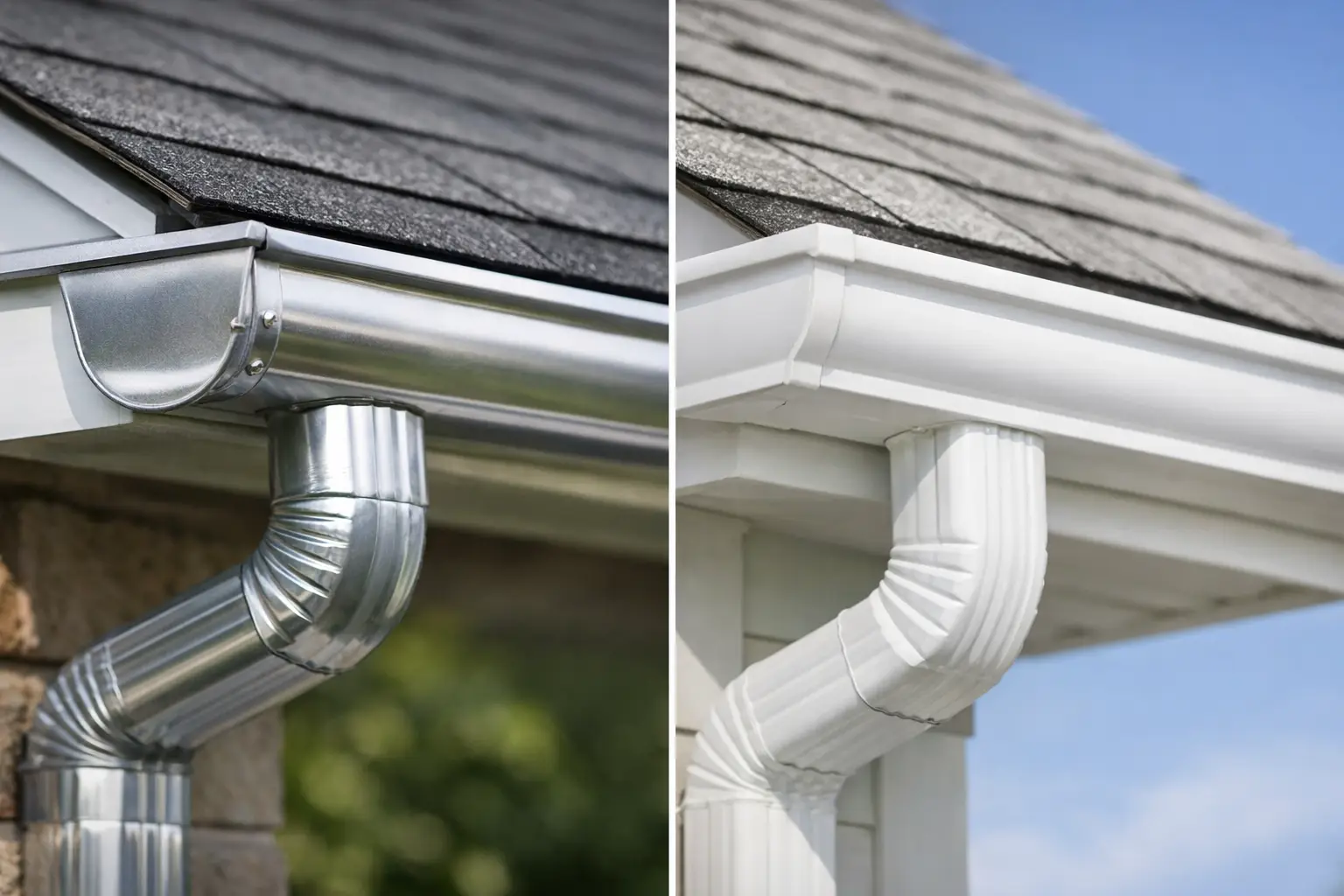
Aluminum and vinyl gutters both move roof runoff away from the home, but they are built and installed very differently. Aluminum is a metal system commonly formed into long, continuous sections on site. Vinyl is a plastic system typically sold in pre-cut lengths that connect with joints and fittings.
Vinyl gutters can be a reasonable option for a small, simple project where budget is the main concern. They are lightweight, inexpensive, and available at many home improvement stores. A homeowner with a short, straight roof edge may be able to install them without specialized equipment.
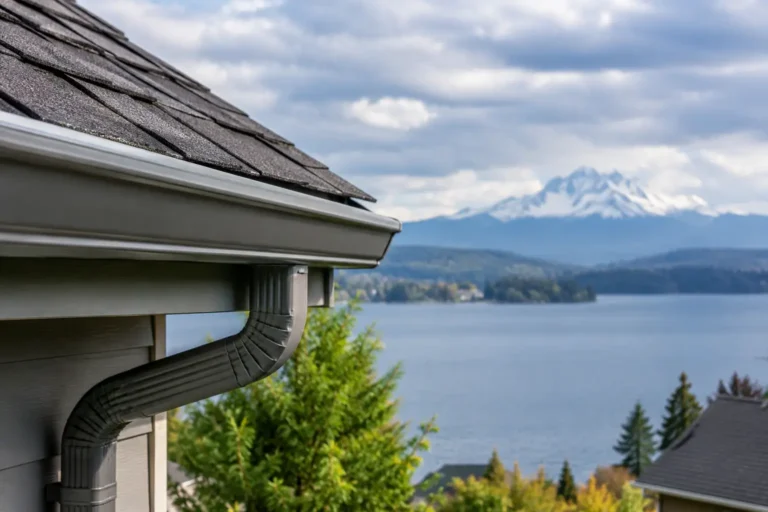
Aluminum gutters are generally the stronger long-term choice for residential homes, especially in wet, debris-heavy areas. Custom seamless aluminum gutters are measured and formed for the home, reducing the number of joints where leaks can develop. They also offer more sizing, color, and installation options than a typical vinyl system.
The material itself matters, but installation quality matters just as much. A properly pitched aluminum gutter with securely fastened hidden hangers will outperform a poorly installed system of any material.
Durability in Pacific Northwest Weather
The Pacific Northwest does not usually bring severe freeze-thaw cycles like some colder regions, but it does bring persistent moisture. That constant exposure puts pressure on gutter seams, hangers, fascia boards, and downspout connections.
Aluminum handles weight and weather better
Aluminum does not rust, which makes it well suited to a rainy climate. Quality aluminum gutters can flex slightly without cracking, and professionally installed seamless sections have fewer vulnerable connections. When installed with strong hidden hangers, aluminum systems are better equipped to support the weight of water and wet debris.
This is especially relevant below roof valleys. A valley can send a concentrated sheet of water into one short gutter run during a heavy downpour. Thin material, weak hangers, or undersized gutters may sag or overflow under that load. Properly sized aluminum gutters provide more dependable support where runoff is heaviest.
Aluminum can dent if struck by a ladder, branch, or other impact. However, dents are usually a cosmetic concern unless they affect the gutter’s slope or water flow. For most homeowners, that is a more manageable risk than cracking or joint failure.
Vinyl can become brittle and pull apart
Vinyl does not rust, either, but it is more vulnerable to temperature changes and age. It can become brittle over time, particularly after repeated sun exposure and cold weather. A hard impact that might dent aluminum can crack vinyl.
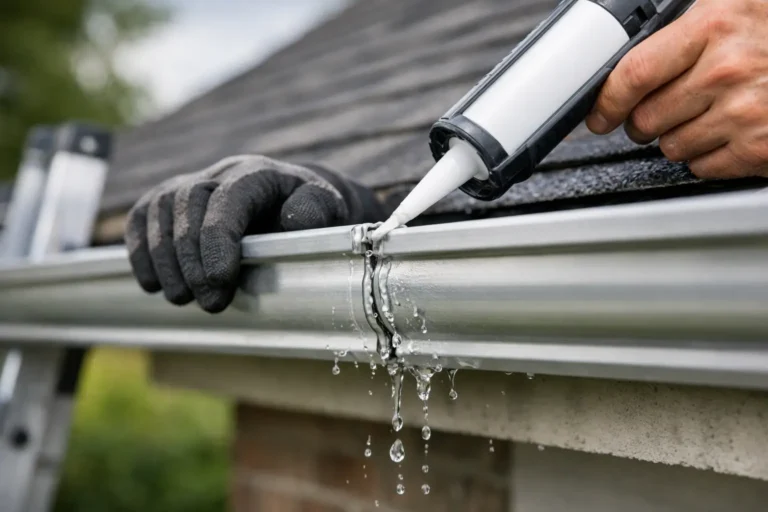
Vinyl also expands and contracts more noticeably than aluminum. Because vinyl systems rely on many connector pieces, movement can create gaps, loosen joints, and cause leaks. In a region where gutters may stay wet for months, even a small seam leak can send water onto fascia or siding repeatedly.
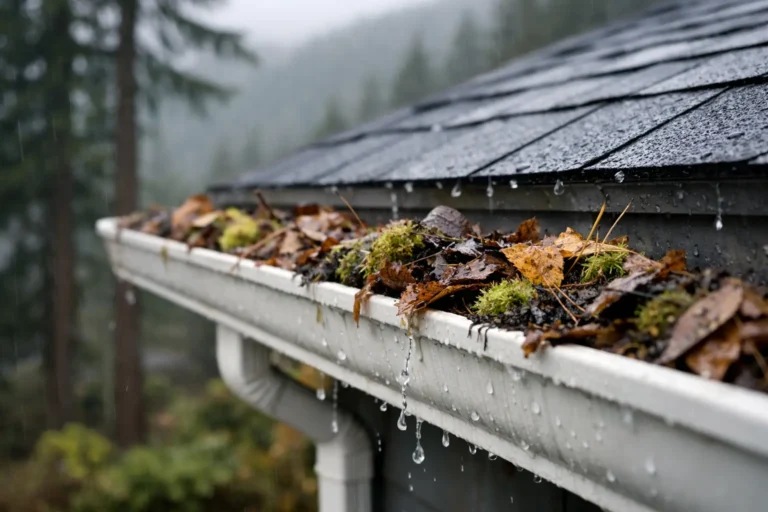
The weight of saturated fir needles and roof grit can add another challenge. Vinyl sections and their brackets are more likely to sag when maintenance is delayed or drainage is restricted. That sagging changes the gutter slope, allowing standing water to collect and increasing the strain on the system.
Seams Are a Major Long-Term Consideration
Every gutter system has necessary connections at corners, downspouts, and end caps. The difference is how many additional seams exist along the straight runs.
Most vinyl gutters come in shorter sections, so a longer roofline may require several connected pieces. Each joint depends on a seal, connector, and proper installation. Those points can eventually leak, separate, or trap debris.
Seamless aluminum gutters are made in continuous lengths for each straight run of your home. Fewer seams mean fewer places for water to escape and fewer interruptions where debris can catch. This does not make a seamless system maintenance-free, but it removes a common failure point found in sectional vinyl gutters.
For a small detached shed, vinyl seams may not be a serious concern. For a primary residence with long eaves, multiple rooflines, and landscaping to protect, reducing seam count is usually worth the investment.
Cost: Upfront Price Versus Service Life
Vinyl has the lower initial price. Materials are widely available, and the system may appeal to a homeowner looking for a quick replacement on a tight budget. The trade-off is that vinyl often has a shorter useful life and may need more frequent repair or replacement as sections warp, crack, sag, or leak at joints.
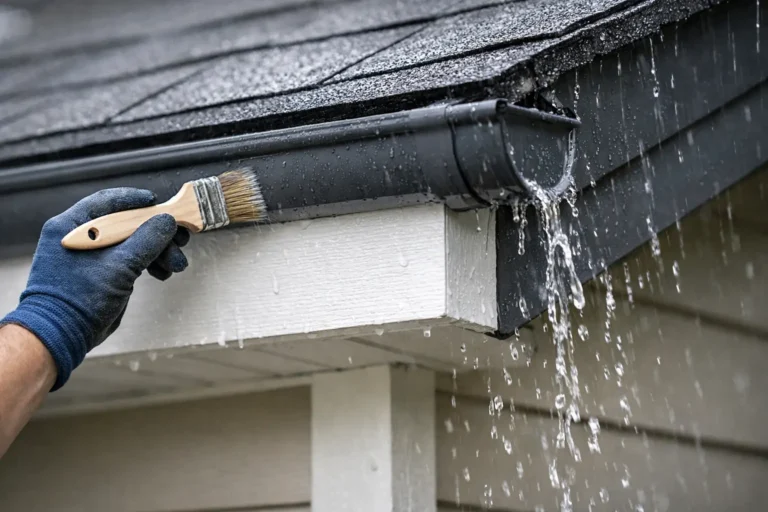
Aluminum costs more upfront, particularly when it is custom-formed and professionally installed. Yet the higher initial cost can be easier to justify when you consider the expected service life, better fit, lower leak risk, and improved appearance. A gutter replacement is also a chance to correct problems with pitch, downspout placement, and drainage capacity that a basic do-it-yourself installation may overlook.
It depends on the property. If you are preparing a modest outbuilding for short-term use, vinyl may make sense. If you are protecting a long-term home investment, aluminum generally provides better value over time.
Appearance and Fit Matter More Than Many Homeowners Expect
Vinyl gutters are commonly available in limited colors, often white or brown. White vinyl can show dirt, algae staining, and roof runoff marks. It may also look bulky around detailed trim or darker exterior colors.
Aluminum gutters are available in a wider range of baked-on colors, making it easier to match trim, siding, or roofing. Because seamless sections are formed for the home, they create a cleaner, more finished appearance along the eaves.
A professional installer can also recommend the right profile and size. Standard 5-inch gutters work well on many homes, but larger 6-inch gutters may be the better choice for steep roofs, large roof areas, or valleys that release heavy volumes of water. Material choice alone cannot solve an undersized gutter problem.
What About Gutter Guards?
Gutter guards work best when paired with a solid gutter system. Installing premium guards over failing, sagging, or poorly pitched vinyl gutters does not address the underlying problem. The gutters still need to carry water properly and stay securely attached to the fascia.
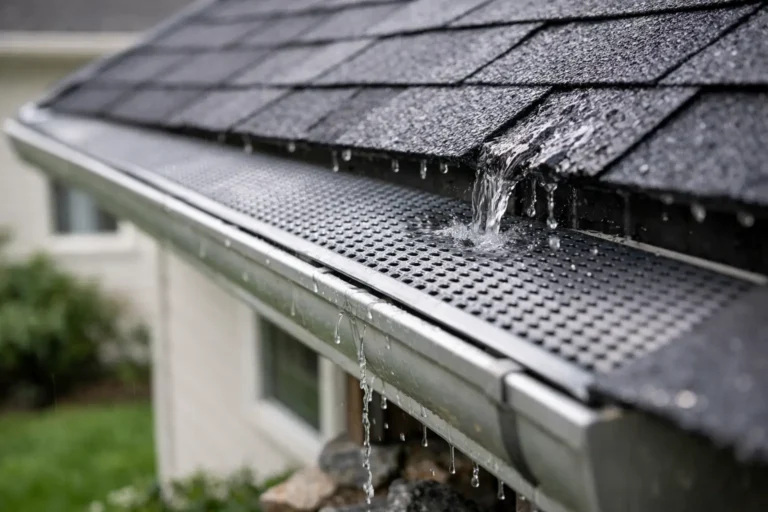
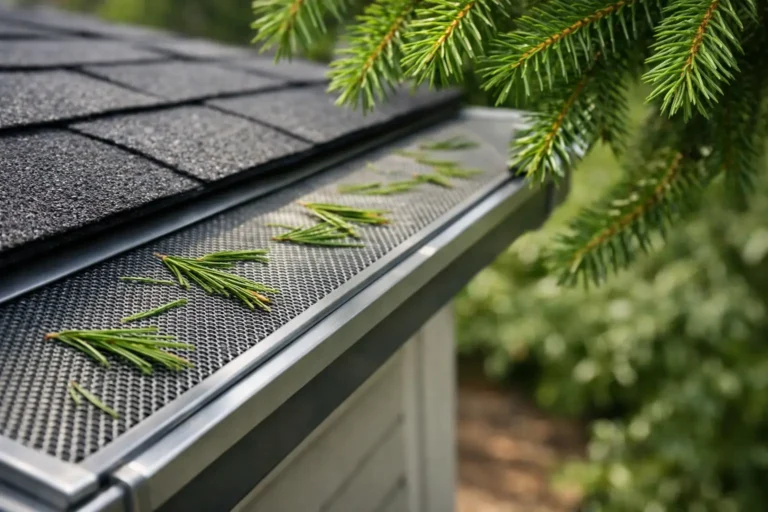
For homes surrounded by evergreens, a seamless aluminum gutter system paired with a quality stainless steel micro-mesh guard is often a practical combination. The gutter provides the structure and capacity, while the guard helps keep pine needles, fir needles, leaves, and roof debris from collecting inside. Some surface cleaning may still be needed, but the system can significantly reduce the recurring task of clearing packed debris from open gutters.
At NW Gutter Protection, the first step is looking at the whole drainage setup, including roof runoff, gutter condition, downspout locations, and debris exposure. That approach helps ensure a guard or replacement system addresses the reason water is overflowing in the first place.
Which Gutter Material Is Right for Your Home?
Choose vinyl only when the project is small, the roofline is simple, and the lower upfront cost outweighs long-term durability. It can serve a limited purpose, but it is rarely the best fit for a full-home gutter replacement in the Pacific Northwest.
Choose professionally installed seamless aluminum when you want a system built for regular rain, long roof runs, heavy runoff, and evergreen debris. It is the more dependable option for most homeowners who want fewer seams, stronger support, better appearance, and a longer service life.
Before selecting either material, look beyond the price per foot. Ask how the gutters will be sized, how many seams the system will have, what type of hangers will be used, whether the fascia is sound, and where water will discharge. A well-built gutter system should quietly do its job through the next hard rain, keeping water moving away from the home instead of giving you another weekend repair project.